
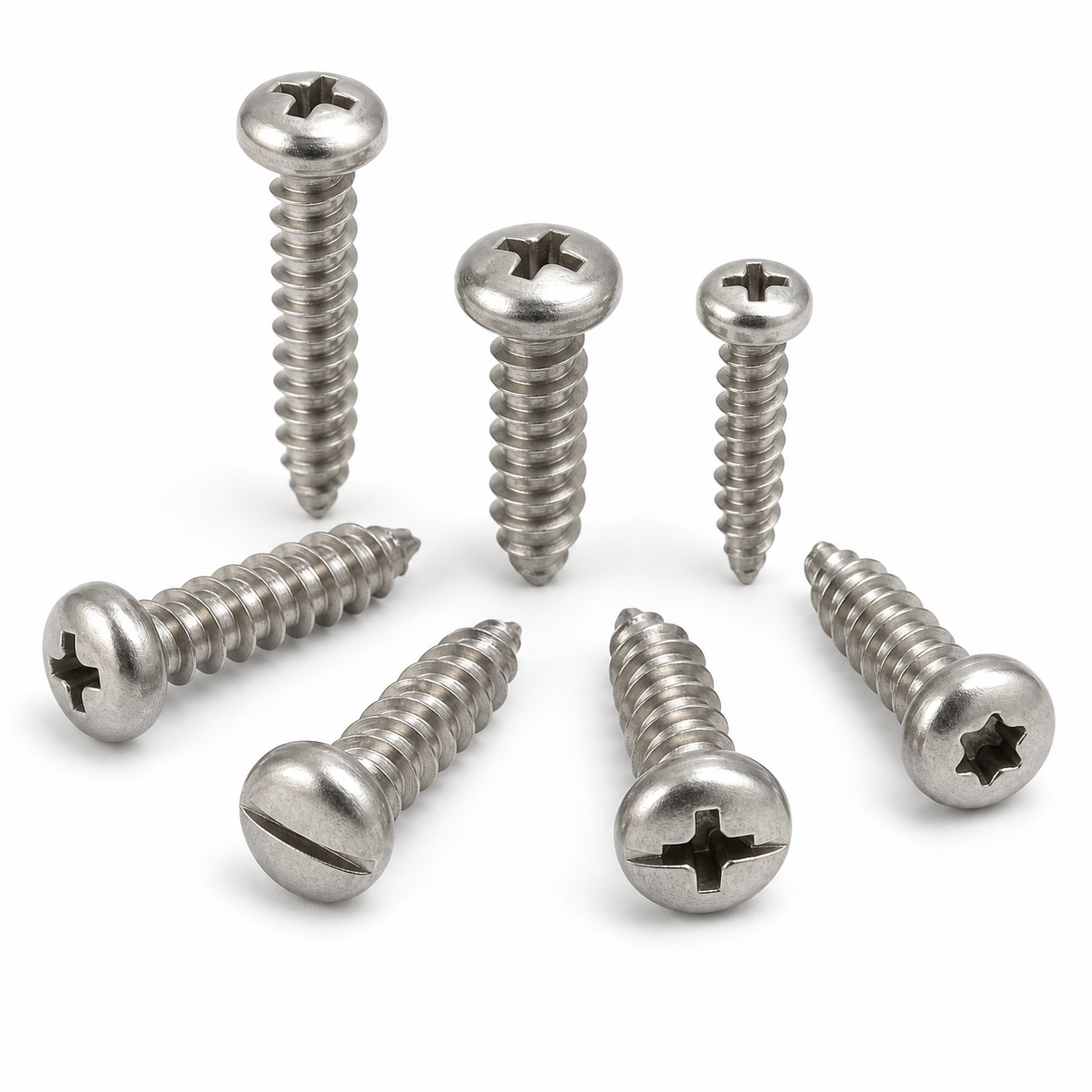
Pan Head Self Tapping Screws
Stainless Steel Pan Head Self Tapping Screws for Sheet Metal & Industrial Assembly
Pan Head Self Tapping Screws are tapping fasteners designed to form a mating thread in a suitable prepared component during installation. Their rounded pan head provides an accessible drive and broad bearing surface, while the tapping thread and non-drill point or thread-end geometry are selected for the substrate, pilot hole, thickness and assembly requirements.
Product Overview
Unlike a machine screw, a Pan Head Self Tapping Screw does not require a fully pre-threaded female component. Its tapping thread forms the mating thread while entering a suitable prepared hole or compatible component. Pilot-hole needs still depend on the screw type, thread geometry, substrate, hardness, thickness and application.
Successful installation depends on the complete joint: screw diameter, tapping thread, non-drill point or thread-end, pilot-hole diameter, sheet thickness, substrate material and hardness, installation speed and torque. A pilot hole that is too small can raise torque and damage the screw, recess or sheet; one that is too large can reduce engagement and retention.
VALTOR supplies stainless and suitable carbon or heat-treated steel Pan Head Tapping Screws in cross-recessed, slotted, combination and 6-lobe configurations. Standard or drawing-based OEM supply may include inspection and sample validation against the actual substrate and prepared component.
Technical Specifications
Tapping Thread, Pilot Hole & Substrate Selection
Material, Thread & Finish Options
Corrosion resistance alone does not guarantee tapping performance. Screw hardness, substrate hardness, pilot hole, thread geometry and coating suitability must be evaluated together.
Drive, Size & OEM Manufacturing
ISO 7049, ISO 1481 or ISO 14585 supply must meet the applicable standard. Modified head, thread, point or drive geometry is identified as a custom product to the approved drawing.
Provide drawing or sample, thread, head, drive, length, point style, material, finish, substrate, thickness, pilot hole, quantity and application.
Representative samples may evaluate pilot-hole compatibility, thread formation, installation behavior, driver engagement, head seating, material deformation, retention and final assembly quality under defined conditions.
Inner bags, small boxes, export cartons, wooden pallets, customer labels, part numbers and authorized private-label packaging may be supported.
Installation Validation, Quality & Documentation
Inspection covers tapping-thread diameter, pitch, profile, continuity and damage; non-drill point geometry, burrs and consistency; pan-head dimensions and alignment; and correct Phillips, slotted, combination or 6-lobe recess geometry and tool engagement. Defined tests on representative materials may assess starting, thread formation, installation consistency, seating, stripping and deformation. Pilot holes are confirmed against a standard, drawing, customer component or sample trial. Documentation may include MTC, raw-material, dimensional, product or actually performed sample-test reports and specified third-party support.
Applications
Direct thread formation in suitably prepared industrial sheet-metal components.
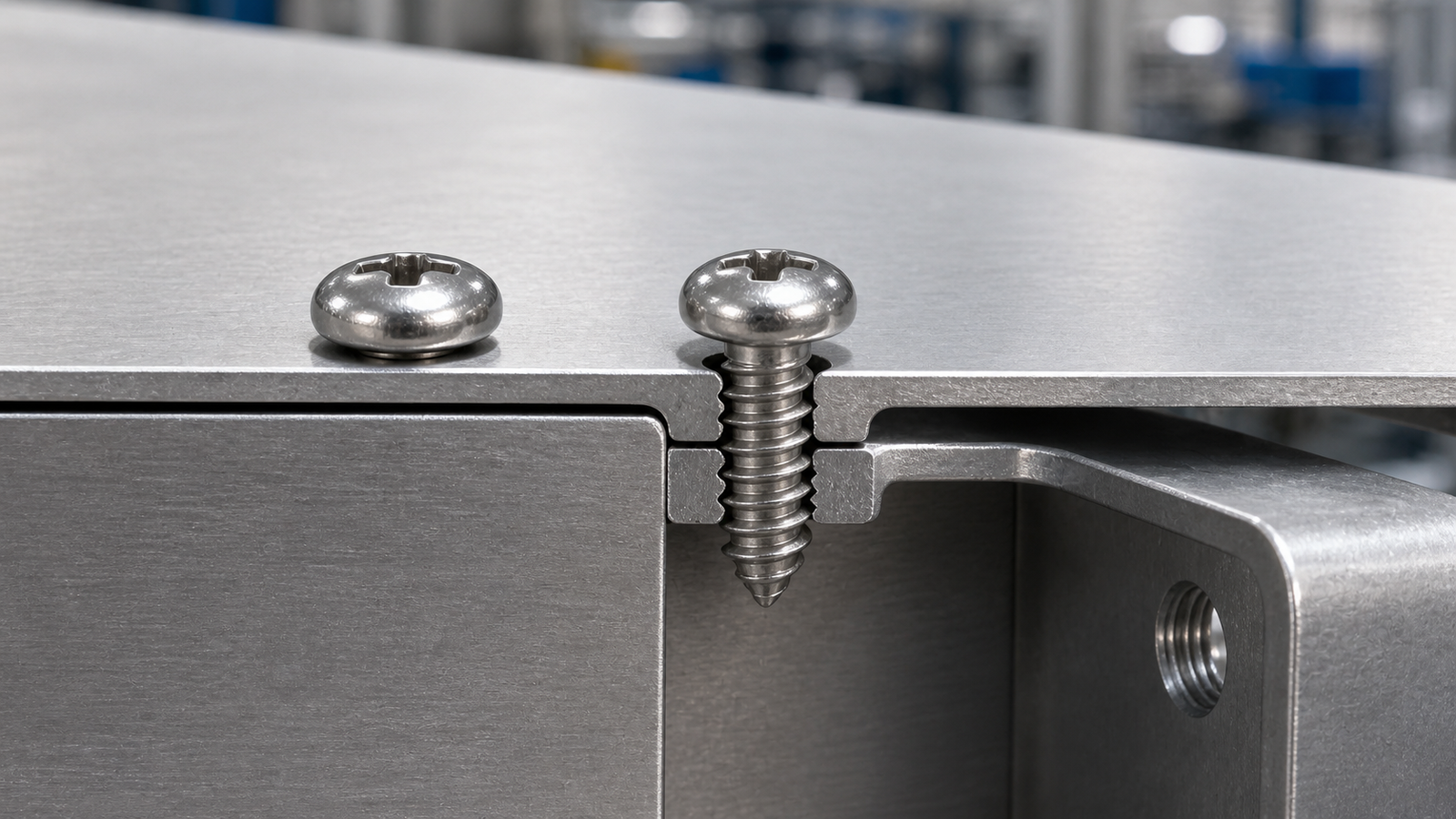
Create fastening threads directly in suitable prepared sheet-metal components without a separate nut.
Covers, access panels and internal parts with compatible sheet metal and prepared holes.
Production assembly of equipment covers, guards and light fabricated components.
Brackets and fabricated housings whose substrate and pilot-hole design support tapping installation.
Drawing-based products validating thread form, pilot hole, material thickness and installation as a complete system.
Frequently Asked Questions
What is the difference between a Self Tapping Screw and a Machine Screw?
A machine screw engages an existing female thread such as a nut, tapped hole or insert. A self tapping screw forms its mating thread in a suitable prepared component during installation.
Do Pan Head Self Tapping Screws require a pilot hole?
Many applications use a pilot hole, but the required hole depends on the screw thread, point style, substrate material, hardness and thickness. No universal diameter applies to every assembly.
What is the difference between DIN 7981 and ISO 7049?
DIN 7981 is a recognized legacy purchasing designation for applicable cross-recessed pan-head tapping screws. ISO 7049 is the current relevant ISO standard. Dimensional details may differ, so orders follow the exact specified standard or drawing.
Can stainless steel Self Tapping Screws be used in stainless steel sheet?
They may suit validated applications, but performance depends on screw properties, substrate hardness, pilot-hole preparation, thread geometry and installation conditions. Sample testing is recommended when uncertain.
What information should I provide for a Self Tapping Screw quotation?
Provide the standard or drawing, ST thread size, length, head and drive, point or thread-end, material, finish, quantity and, where possible, substrate, thickness and pilot-hole information.
Related Products
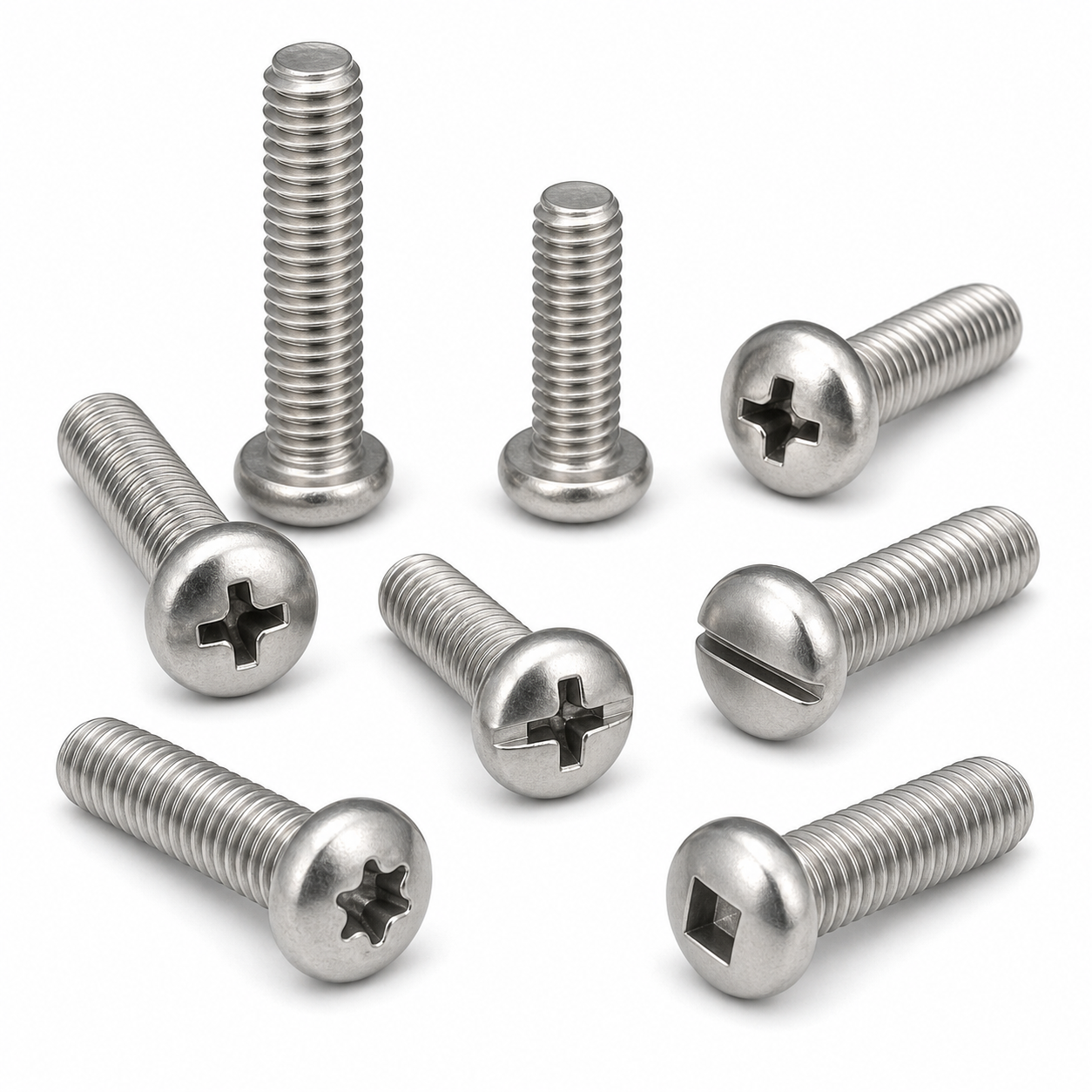
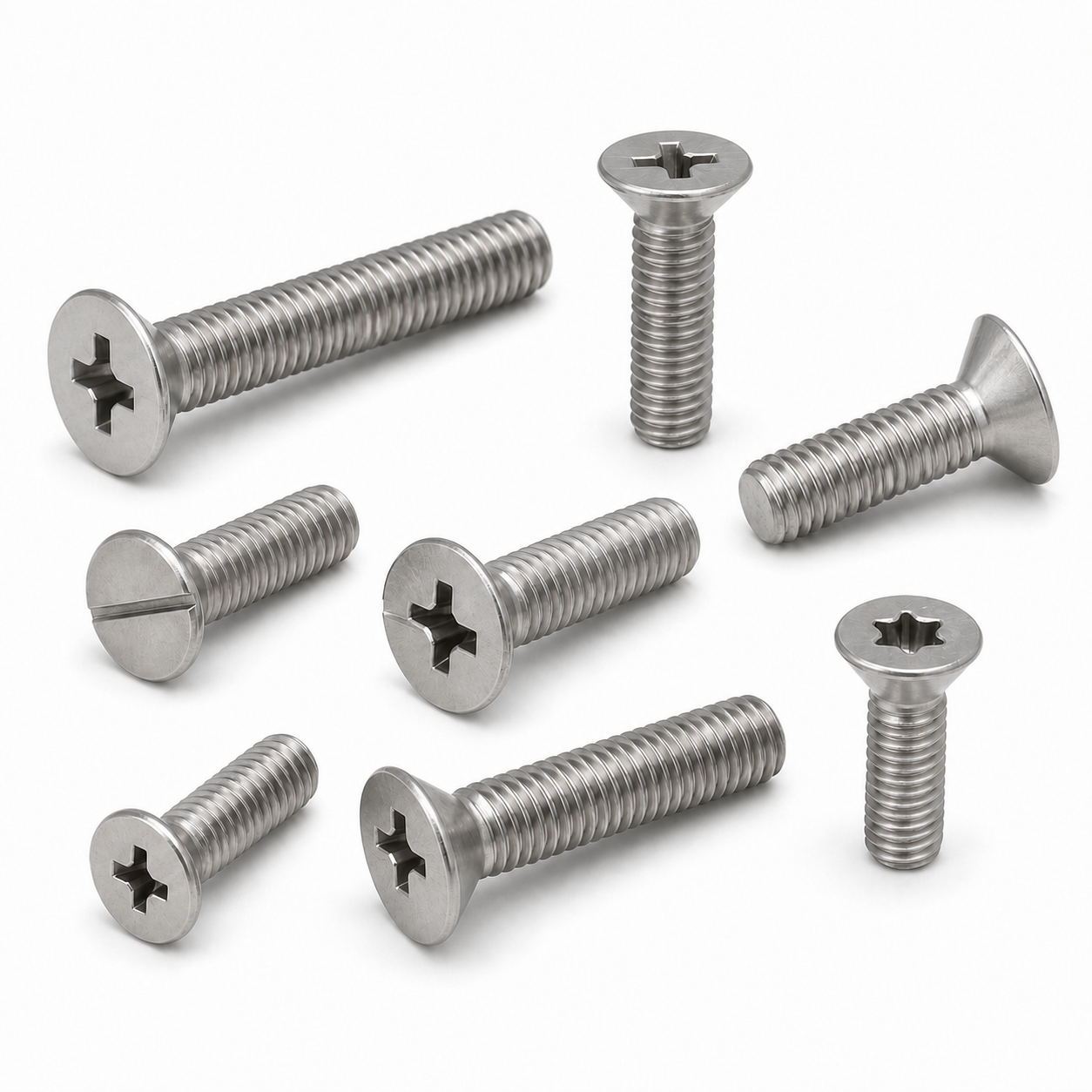
Share the standard or drawing, ST thread, drive, length, point, material, finish, substrate, thickness, pilot hole and quantity with VALTOR.