Home/Products/Anchors/Mechanical Undercut Anchors

Mechanical Undercut Anchors

Post-Installed Undercut Anchors for Heavy-Duty Concrete Fixing

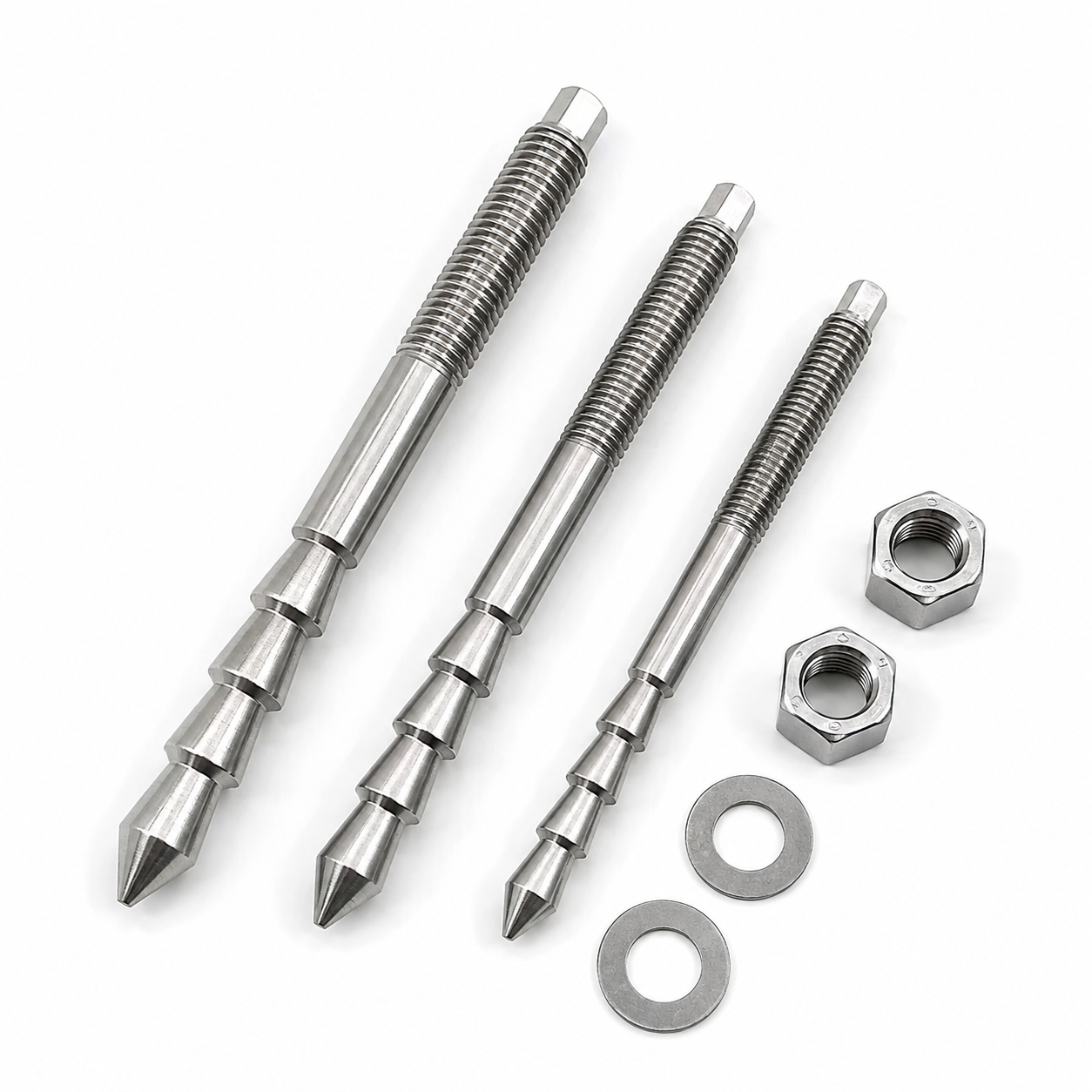
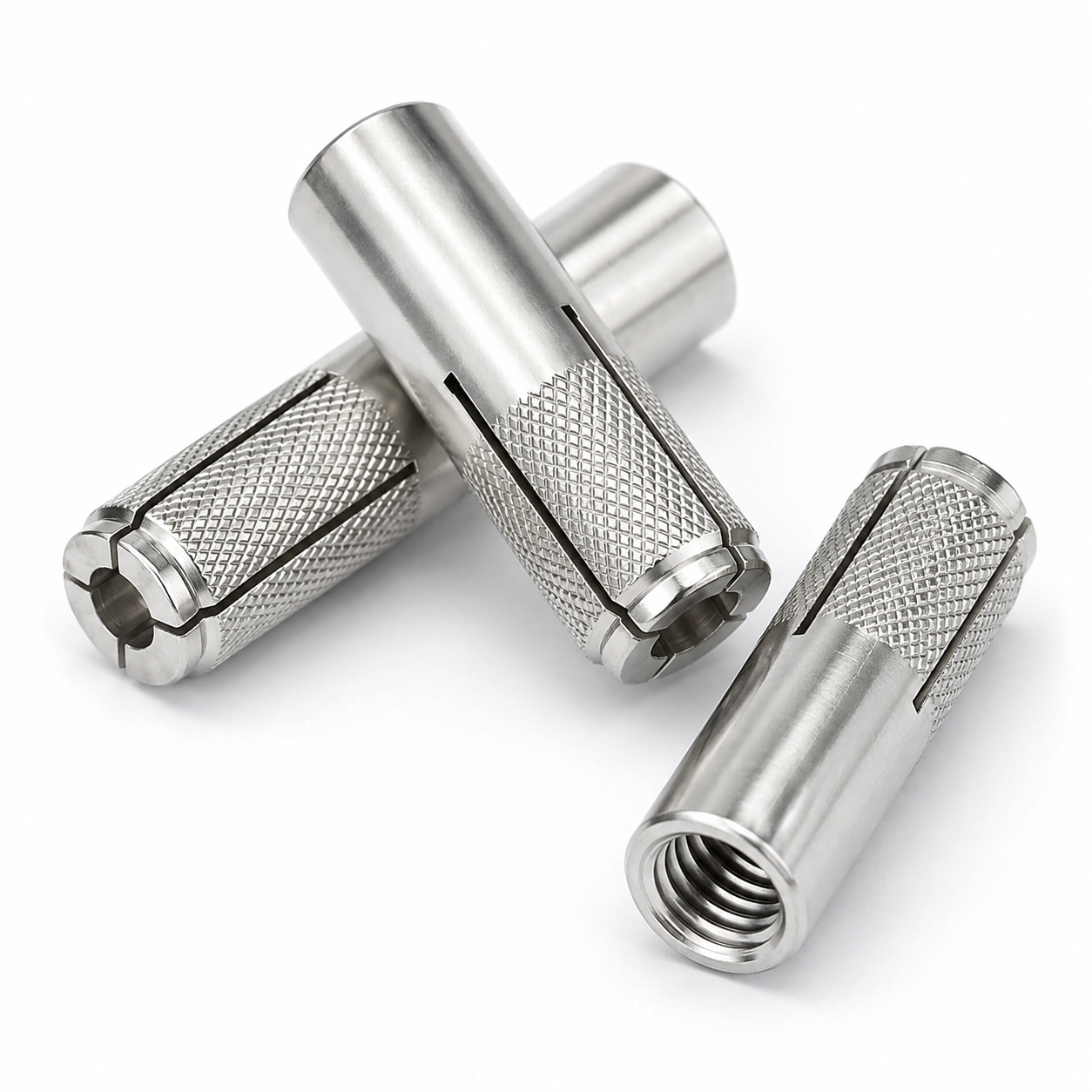
VALTOR supplies stainless steel post-installed mechanical undercut anchors for concrete. A matched expansion sleeve is driven over a solid tapered cone inside a prepared undercut hole, producing a positive geometric interlock without chemical resin.

Type
Mechanical Undercut Anchor
Anchor Category
Post-Installed Mechanical Anchor
Base Material
Concrete
Locking Principle
Positive Undercut Mechanical Interlock
Construction
Stud + Expansion Sleeve + Cone + Nut + Washer
Materials
304 / A2, 316 / A4 Stainless Steel
Installation
Prepared Undercut Hole + Setting Tool
Commercial Range
M6–M20

Request A Quote

Product Overview

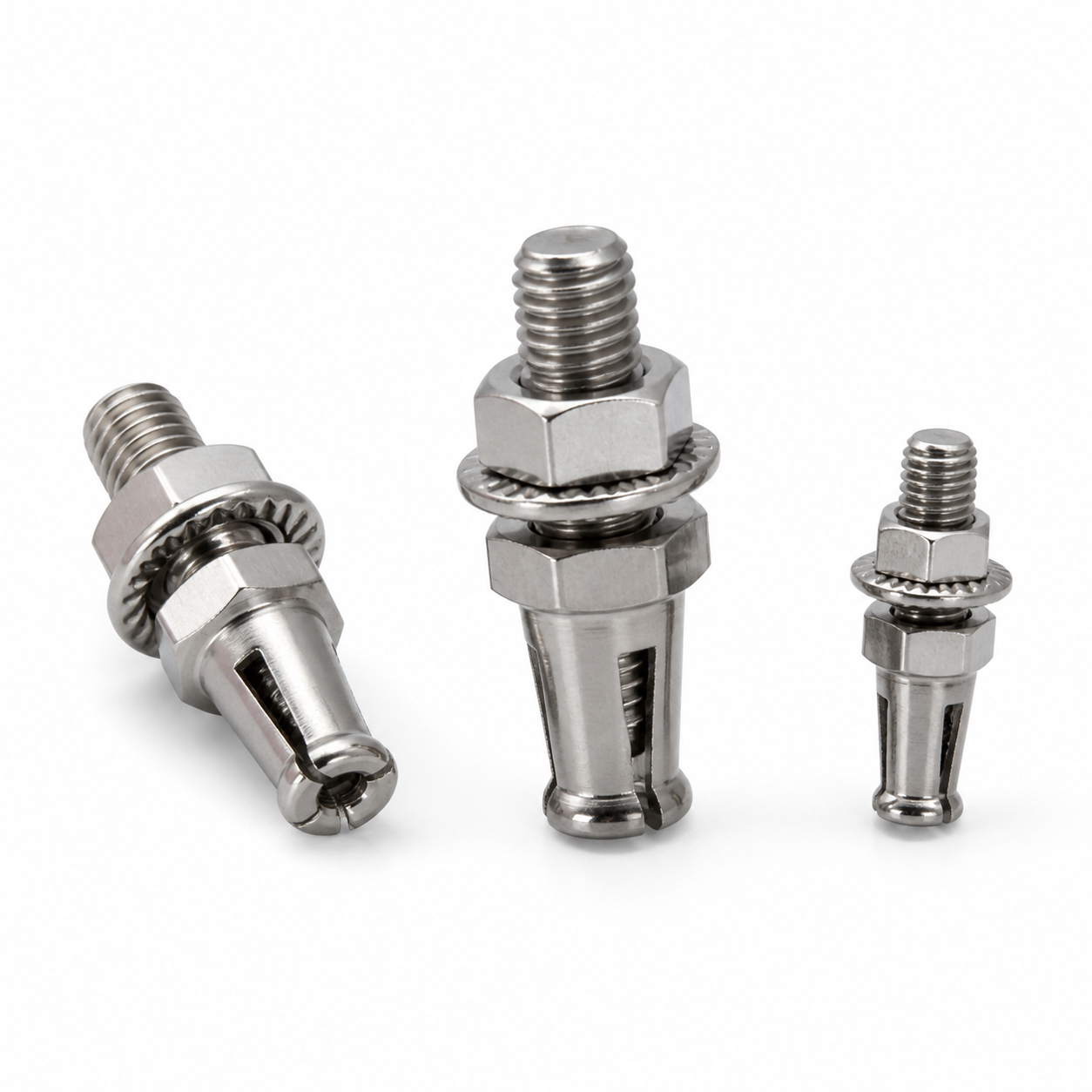
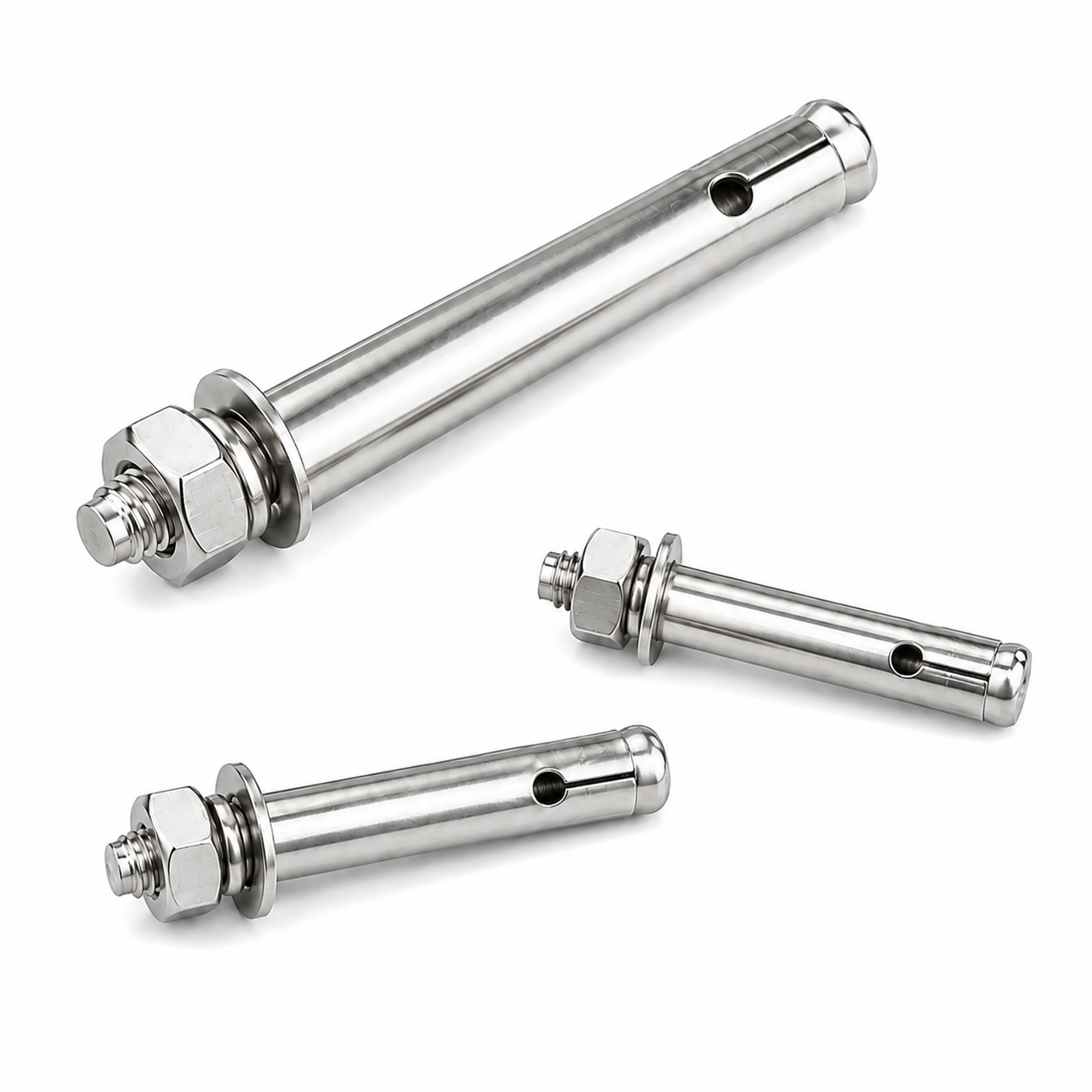
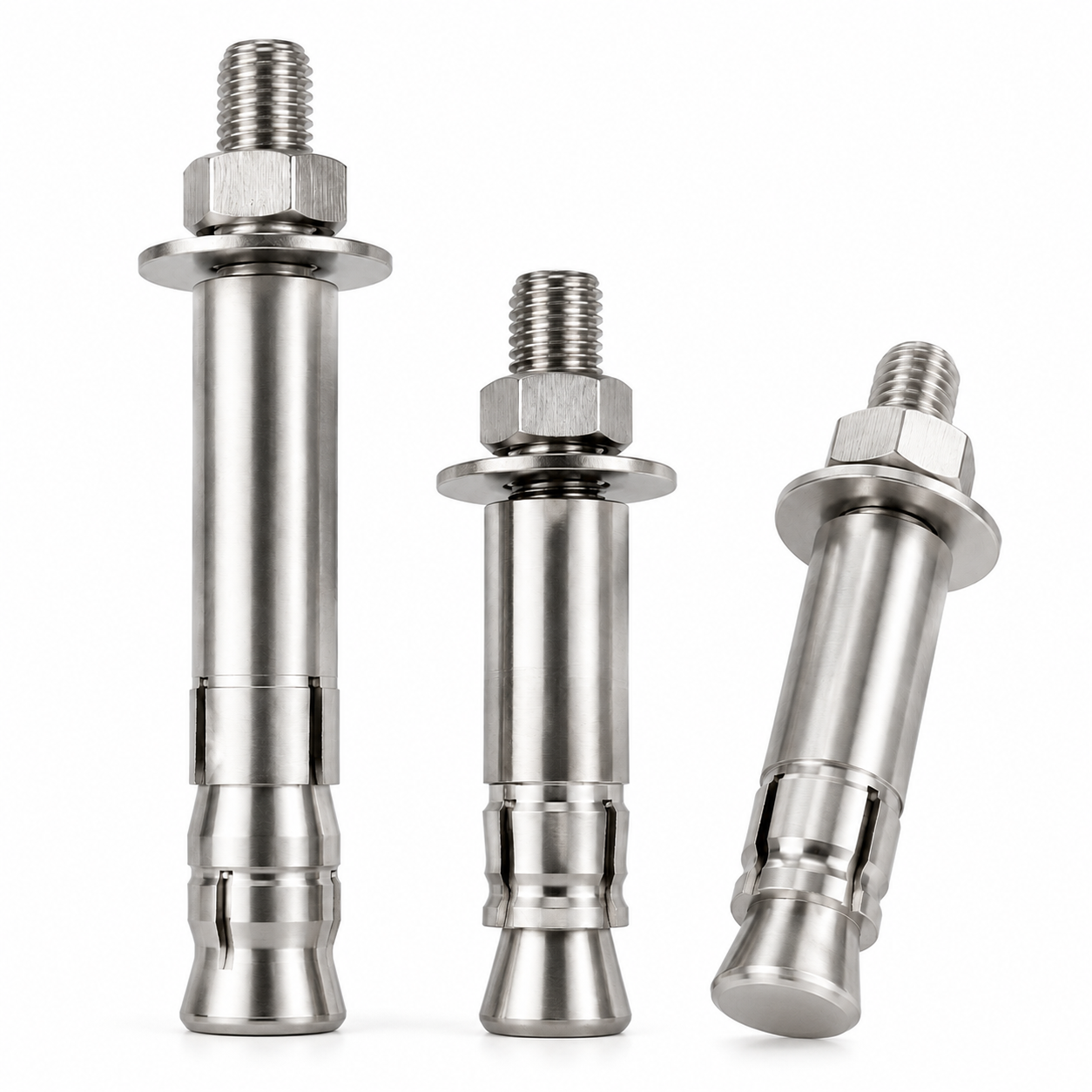
Mechanical Undercut Anchors are multi-component post-installed concrete anchors consisting of a threaded anchor body, expansion sleeve, solid tapered cone, hex nut and flat washer. The embedded sleeve-and-cone assembly is designed to match a specially prepared undercut drill hole rather than a simple straight bore.

After the cylindrical base hole and enlarged undercut zone are prepared and cleaned, the anchor is inserted and a matched setting tool drives or presses the sleeve over the cone. The sleeve expands into the enlarged zone, creating a positive-fit mechanical connection with the concrete geometry. No chemical resin is used.

For purchasing, confirm thread size, overall and thread length, drill-hole and undercut geometry, effective embedment where applicable, fixture thickness, sleeve and cone design, component materials, stainless grade, quantity and any project or approval requirement. Exact dimensions and setting procedures remain product-specific.

Technical Specifications

Product
Mechanical Undercut Anchors
Alternative Names
Post-Installed Undercut Anchors / Undercut Concrete Anchors
Anchor Type
Post-installed mechanical undercut anchor
Primary Base Material
Concrete; exact suitability follows the selected anchor and verified project design
Anchoring Principle
Positive mechanical interlock in a prepared undercut zone
Installation
Prepared cylindrical-undercut hole plus matched drill and setting procedure
Construction
Threaded anchor body, expansion sleeve, solid tapered cone, hex nut and flat washer
Materials
304 / A2, 316 / A4 stainless steel; carbon steel where required
Component Material
Body, sleeve, cone, nut and washer grades must be confirmed for the supplied assembly
Common Metric Range
M6–M20 commercial positioning
Main Sizes
M8 / M10 / M12 / M16
Key Dimensions
M thread size; d0 drill diameter; L overall length; Lt thread length; h installation depth; hef effective embedment; tfix fixture thickness; du undercut diameter
Additional Variables
Expansion-sleeve length, cone geometry, nut size and washer outside diameter
Typical Applications
Steel structures, facade substructures, heavy brackets, machinery, railings and infrastructure
Supply Basis
Manufacturer specification, customer drawing, approved sample or project requirement
Documentation
MTC, raw-material report, dimensional and material verification, and third-party inspection support as agreed
Approval Documentation
Available only when verified for the exact supplied anchor configuration

No universal load, torque, embedment, edge-distance, spacing or concrete-strength value is stated. These parameters depend on the exact tested anchor, concrete and installation configuration.

Undercut Hole, Expansion Sleeve & Positive Interlock

1. Base Hole
Drill the straight cylindrical portion to the geometry specified for the selected anchor.
2. Undercut Formation
Create the enlarged zone near the embedded end using the matched product-specific method.
3. Hole Cleaning
Remove drilling debris according to the verified installation procedure before anchor insertion.
4. Anchor Insertion
Insert the anchor so the expansion sleeve and cone align with the prepared undercut.
5. Setting Tool
Use the matched setting tool and controlled procedure specified for the exact anchor design.
6. Sleeve / Cone Action
The setting operation drives or presses the slotted expansion sleeve over the solid tapered cone.
7. Undercut Engagement
The sleeve expands outward and occupies the enlarged undercut zone.
8. Positive Fit
Mechanical anchorage is created by geometric bearing and interlock with the concrete undercut.
9. Fixture Connection
The fixture is seated and clamped with the matching flat washer and hex nut.
10. Performance Dependency
Performance depends on drilling and undercut geometry, embedment, concrete condition, correct setting and anchor design.

304 / 316 Stainless Steel & Size Options

304 / A2 stainless steel supports general industrial and construction applications. 316 / A4 is preferred for outdoor, coastal, marine, high-humidity and corrosion-sensitive infrastructure. Carbon steel may be supplied where required with zinc-plated or hot-dip galvanized finish when applicable.

Commercial positioning spans M6–M20, with M8, M10, M12 and M16 as the main website focus. Material and size selection should consider exposure environment, fixture material, durability requirement, concrete application and project specification.

Anchor Geometry & Project Supply

Thread / Length
Thread size, overall anchor length and usable thread length
Embedded Geometry
Sleeve length and slot profile, cone geometry, undercut diameter and embedment
Fixture Interface
Fixture thickness, nut size, washer OD and connection clearance
Material / Packaging
Component grade, surface condition, inner packs, export cartons, pallets and authorized labels
Supply Basis
Customer drawing, manufacturer specification, project specification or approved sample
RFQ Checklist
Anchor size, length, concrete application, embedment, fixture thickness, material, quantity and drawing or approval requirement

Setting Verification & Quality Documentation

Thread / Dimensions
Thread diameter and quality, overall length, sleeve dimensions, cone geometry and nut fit
Assembly Inspection
Expansion sleeve, solid cone, nut, washer, component alignment and completeness
Material / Surface
Material verification, grade traceability, finish condition, burr control and visual consistency
Installation Checks
Anchor insertion, setting-tool fit, sleeve movement, expansion condition and final seating where required
Documents
MTC, material report, dimensional, thread and assembly inspection, setting trial report where performed, and third-party support
Approval Control
ETA, CE, ICC-ES, seismic, fire or cracked-concrete claims are excluded unless verified for the exact supplied product

Applications

Mechanical undercut anchors support engineered concrete fixing where a positive geometric anchoring connection is required.
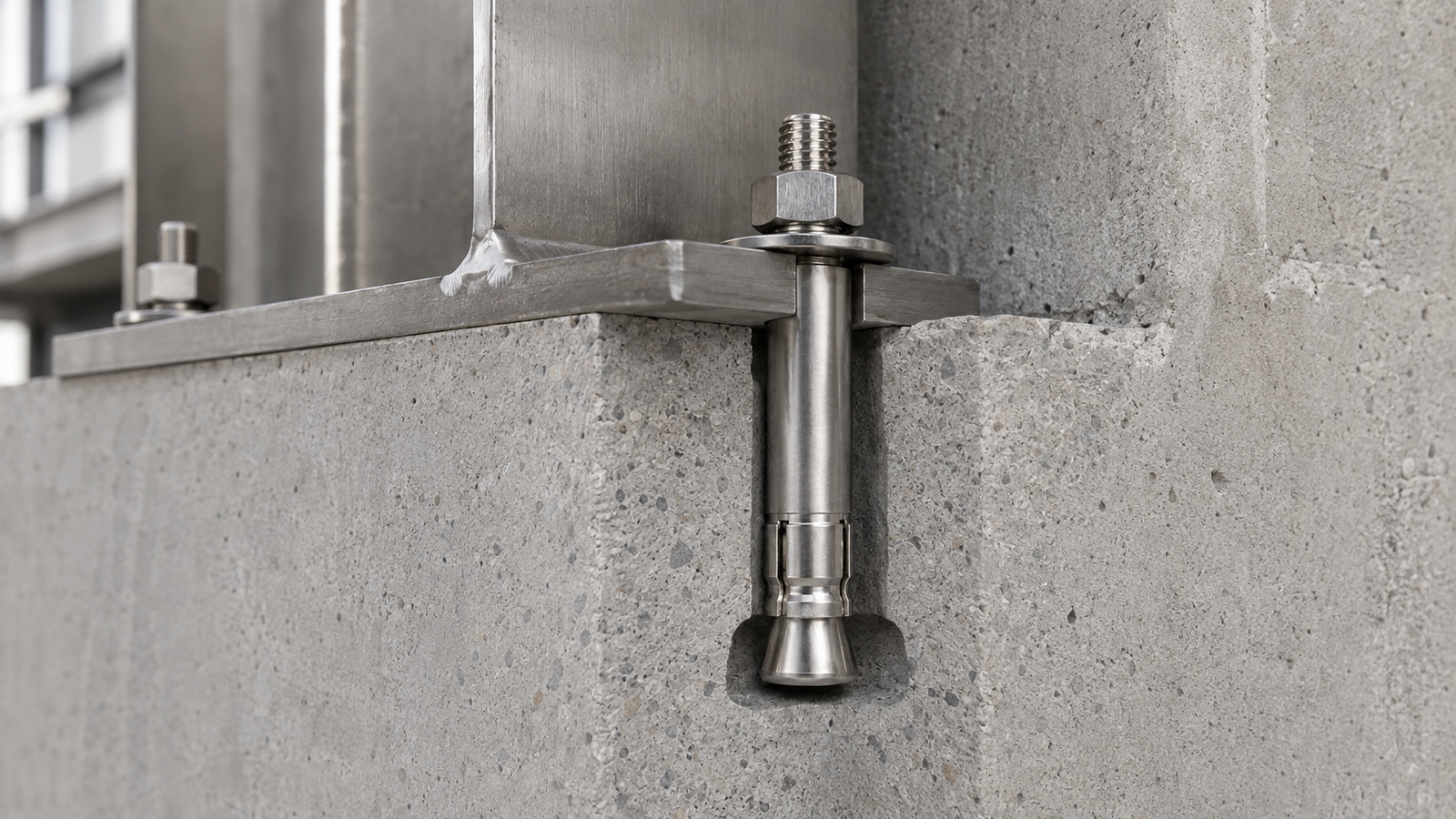
Stainless steel mechanical undercut anchor fixing a structural steel bracket to concrete
01

Structural Steel Connections

Fixing structural brackets, steel frames and support components to suitable concrete.

02

Facade Substructures

Engineered building-envelope and facade-support connections requiring post-installed anchorage.

03

Heavy Machinery Installation

Project-designed equipment and machinery fixing using positive mechanical anchorage.

04

Railings & Infrastructure

Suitable railing, barrier and infrastructure applications subject to verified project design.

05

OEM & Project Anchor Supply

Anchors supplied to specified dimensions, component materials, geometry and documentation.

Frequently Asked Questions

What is a Mechanical Undercut Anchor?

It is a post-installed mechanical concrete anchor that locks into a specially prepared undercut hole using an expansion sleeve and solid tapered cone.

Does a Mechanical Undercut Anchor require chemical resin?

No. Anchorage is created mechanically as the expanded sleeve engages the prepared undercut geometry.

What is the difference between an Undercut Anchor and a Wedge Anchor?

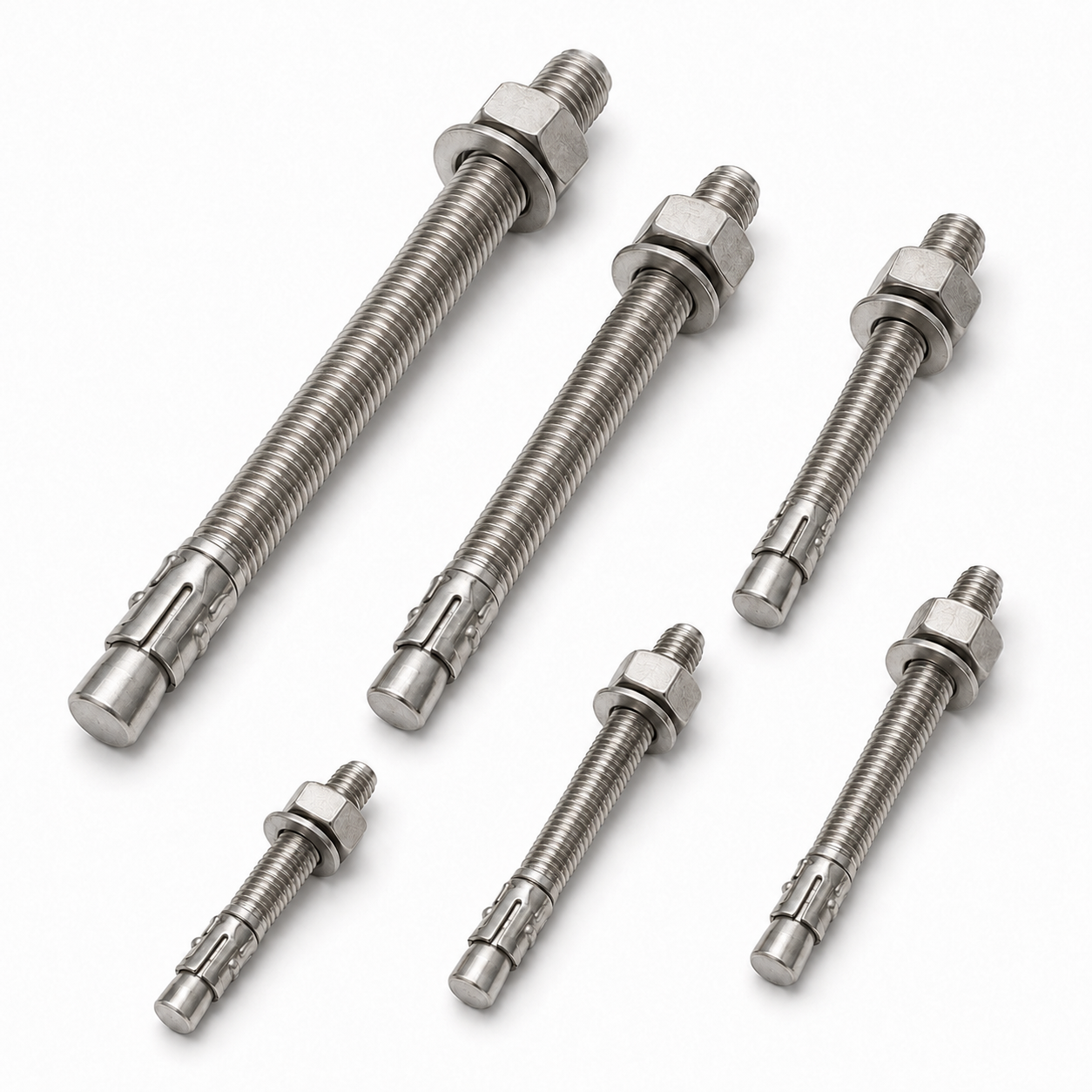
A wedge anchor primarily uses a localized expansion clip against a straight drilled hole. An undercut anchor uses an expansion sleeve and cone to engage a specially prepared enlarged zone.

Can VALTOR supply 304 and 316 Stainless Steel versions?

Yes. 304 / A2 and 316 / A4 options are available, with component materials confirmed for the exact assembly.

What information is needed for quotation?

Provide anchor size, length, embedment, fixture thickness, component material, concrete application, quantity and drawing or project specification.

Need Mechanical Undercut Anchors?

Send the anchor size, length, embedment, fixture thickness, stainless grade, concrete application, quantity and project requirements.

Request A Quote


Scroll to Top