
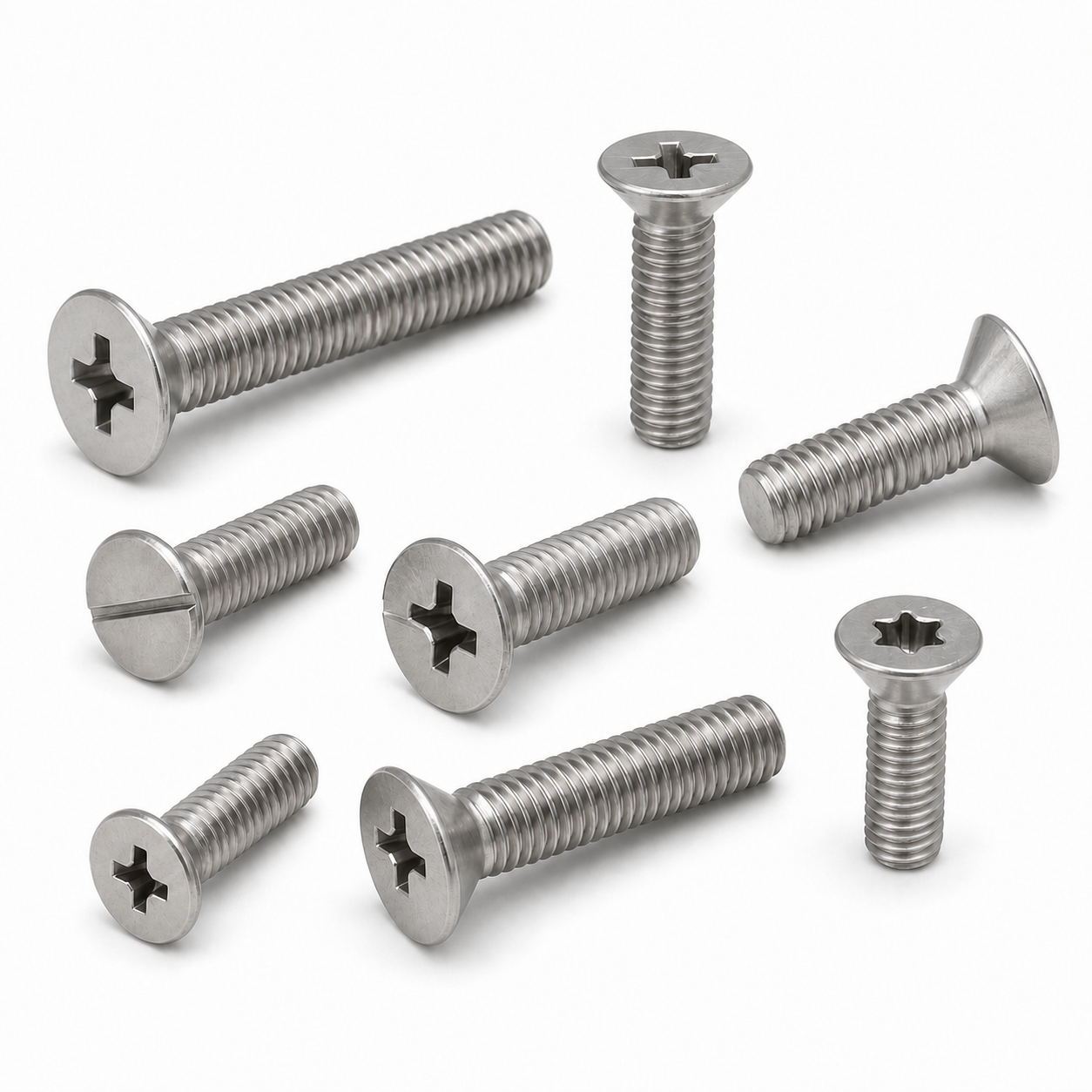
Countersunk Head Machine Screws
Stainless Steel Flat Head Machine Screws for Flush Industrial Assembly
Countersunk Head Machine Screws, also called Flat Head Machine Screws in North American purchasing, use a flat top and conical underside to seat flush or near-flush in a matched countersunk hole. They engage an existing female thread in a tapped component, nut or threaded insert. VALTOR supplies applicable cross-recessed, slotted, combination and 6-lobe versions to the relevant standard or approved drawing.
Product Overview
Countersunk Head Machine Screws combine a flat top face with a conical bearing surface so the head can sit flush or near-flush when the component has a compatible countersink. Unlike raised countersunk or oval heads, a flat countersunk head is not intentionally rounded above the finished surface.
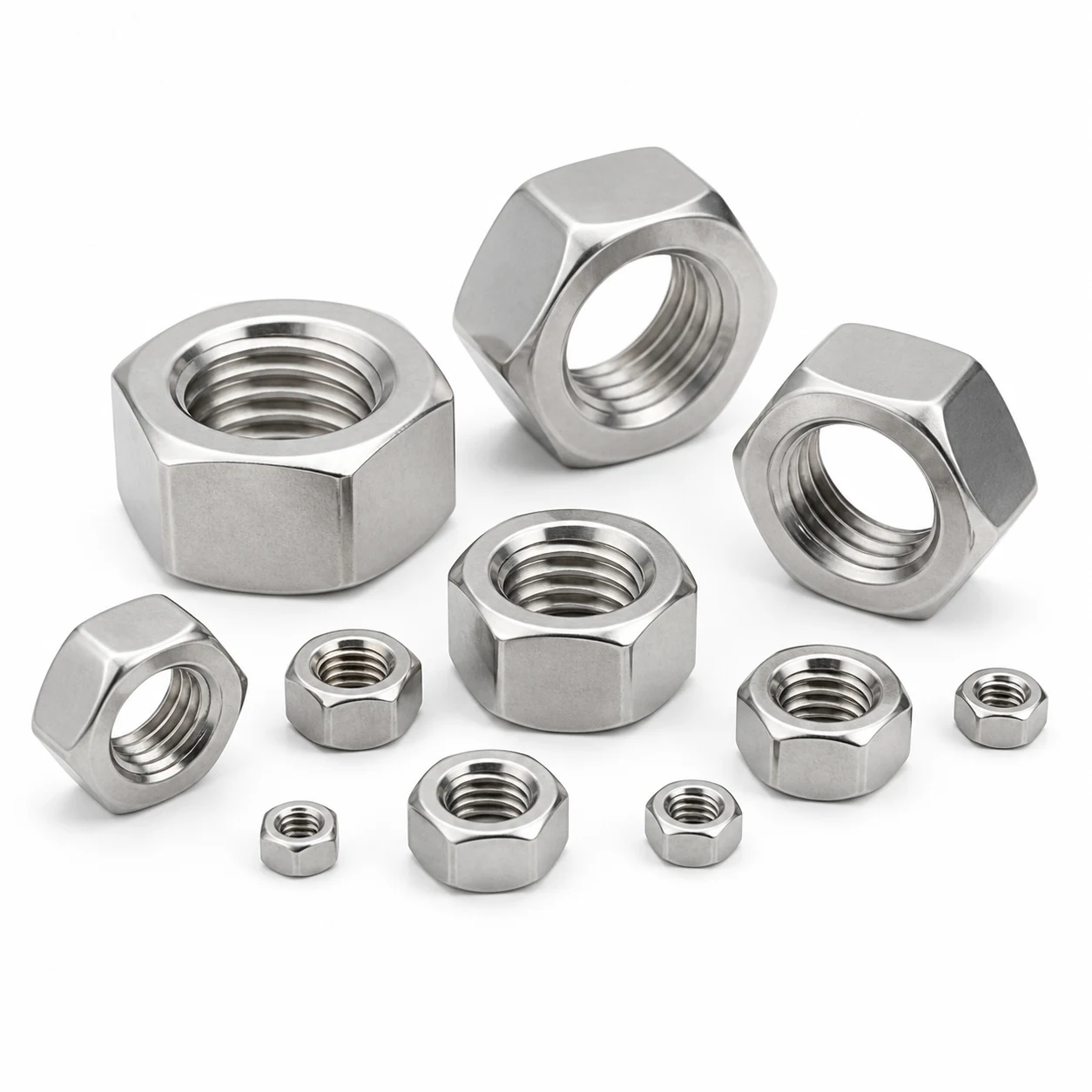
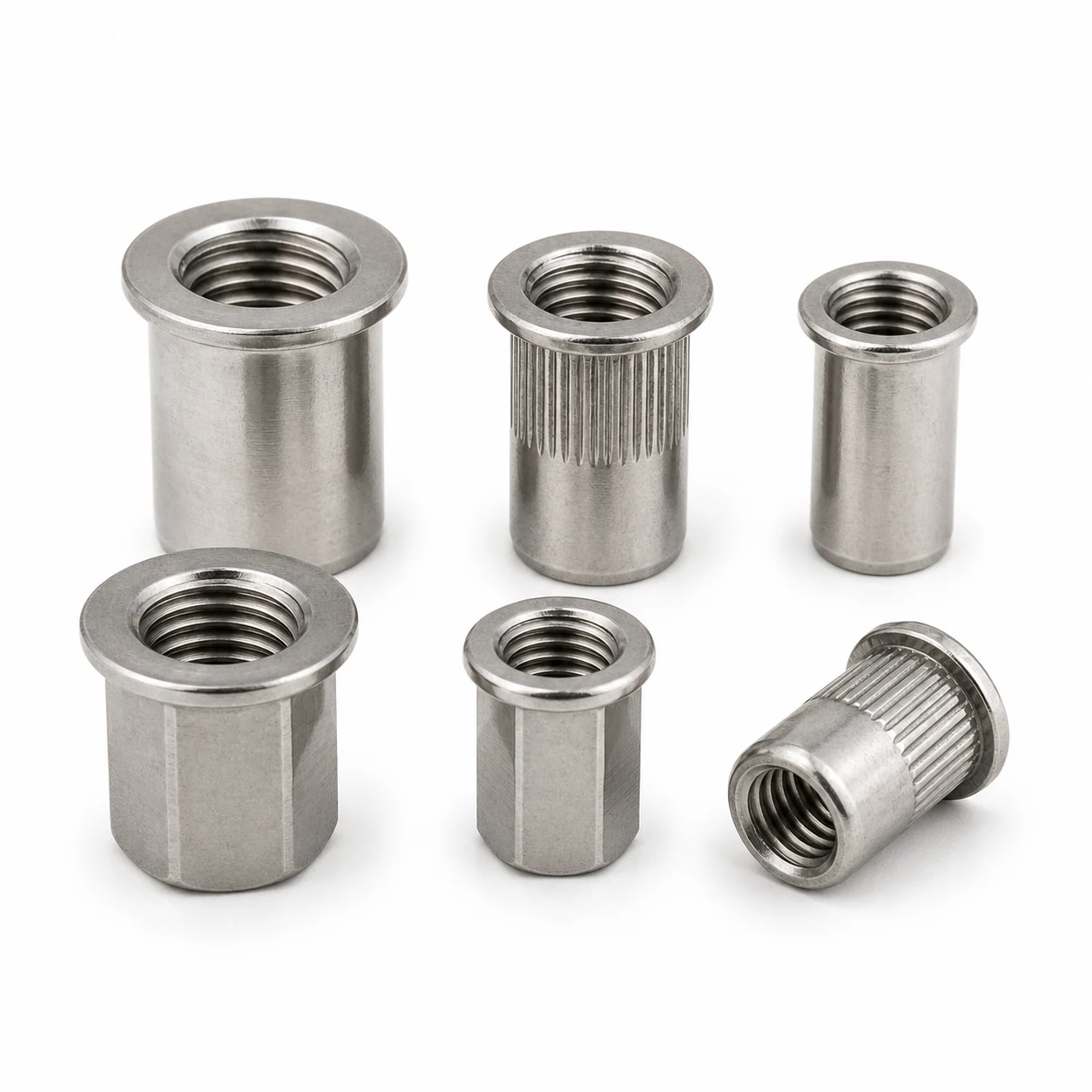
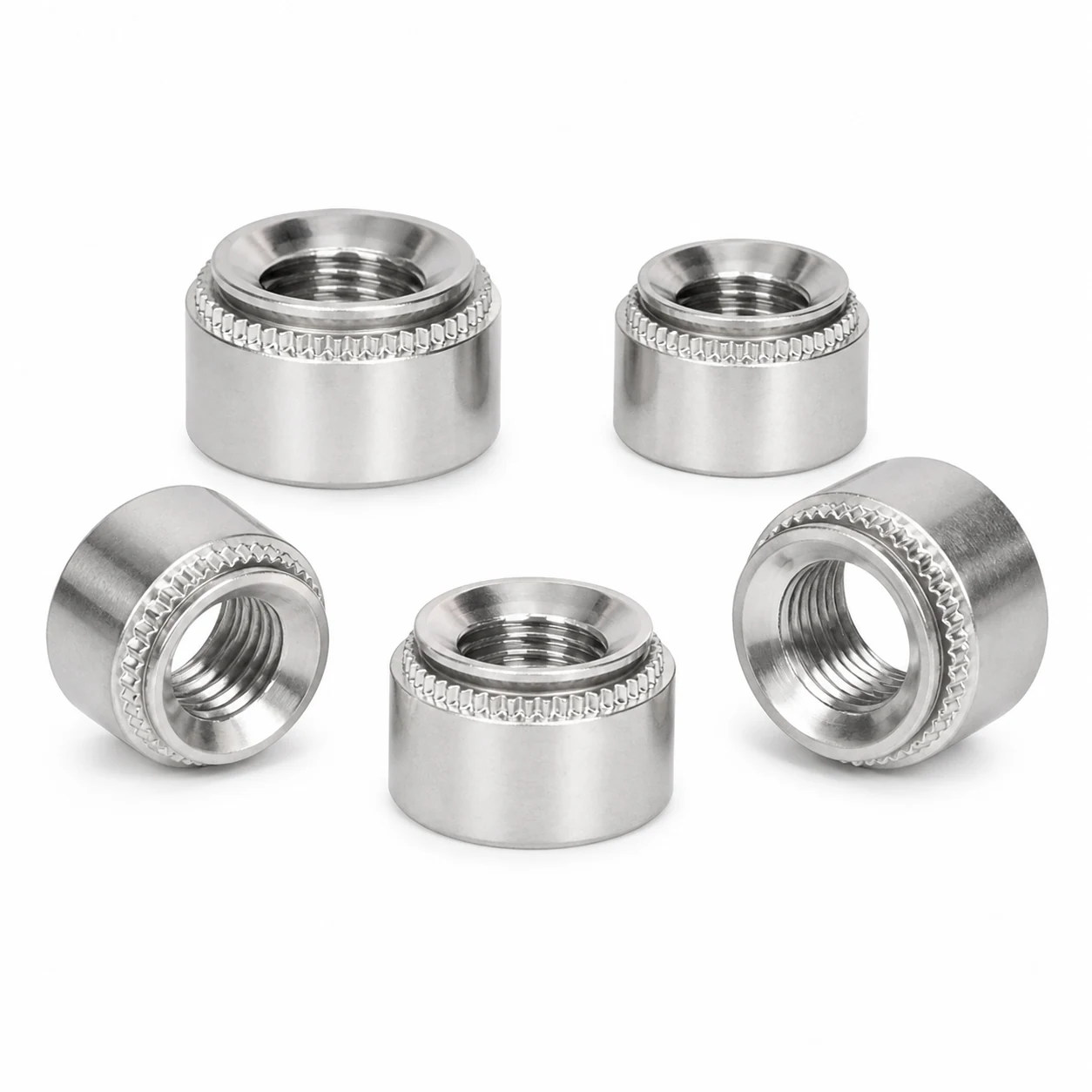
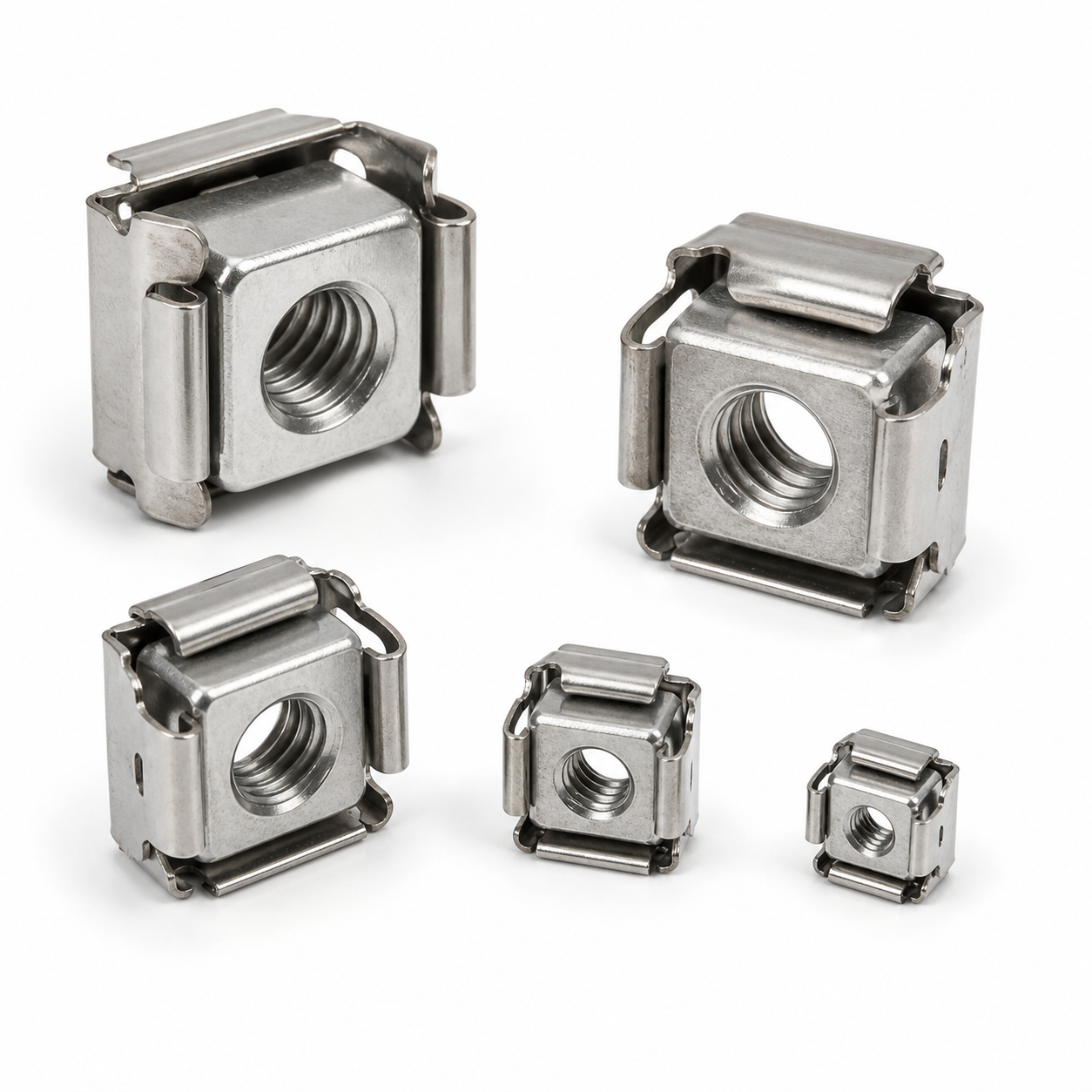
These are machine screws intended for a pre-existing female thread such as a tapped hole, hex nut, rivet nut, self clinching nut, cage nut or threaded insert. They are not self tapping or self drilling screws and should not be shown cutting their own thread in plain sheet metal.
Drive and standard must be matched correctly: ISO 7046 and legacy DIN 965 cover applicable cross-recessed flat countersunk versions; ISO 2009 and legacy DIN 963 apply to slotted versions. ISO 14581 represents a common 6-lobe countersunk flat-head style, while ISO 14582 is a distinct high-head countersunk design and is not interchangeable. Material, thread, head angle, countersink geometry and finish are confirmed against the joint and purchasing specification.
Technical Specifications
Countersunk Geometry, Drive Options & Flush Installation
Material, Thread & Finish Options
Material and finish selection considers the mating component, corrosion environment, mechanical requirements, appearance and customer specification.
Custom Head, Drive & OEM Manufacturing
Confirm flat-head profile, head diameter, depth, countersunk angle, component countersink and required surface position by standard, drawing or approved sample.
Phillips, slotted, combination and 6-lobe options, thread, length and feasible head dimensions depend on size and manufacturing capability.
Provide drawing or sample, standard, thread, top-to-end length, head geometry, drive, material, finish, quantity, mating thread and component countersink. Nonstandard geometry is supplied to the approved drawing.
Inner bags, small boxes, export cartons, pallets, specified pack quantities, customer labels and authorized private-label packaging may be supported.
Quality Control & Countersunk Fit Inspection
Inspection checks thread diameter, pitch, continuity and mating fit; overall length from the top of the flat countersunk head; head diameter, depth, profile, angle and concentricity; seating and alignment against a reference countersink, approved sample or customer component; and the actual drive geometry, recess depth, symmetry, tool engagement, burrs, damage and finish. ISO 14581 and ISO 14582 geometry is inspected separately. Documentation may include MTC, raw-material report, dimensional or product inspection report and specified third-party support without inventing torque, compliance or test values.
Applications
Flush or near-flush machine-threaded fastening for industrial and OEM components.
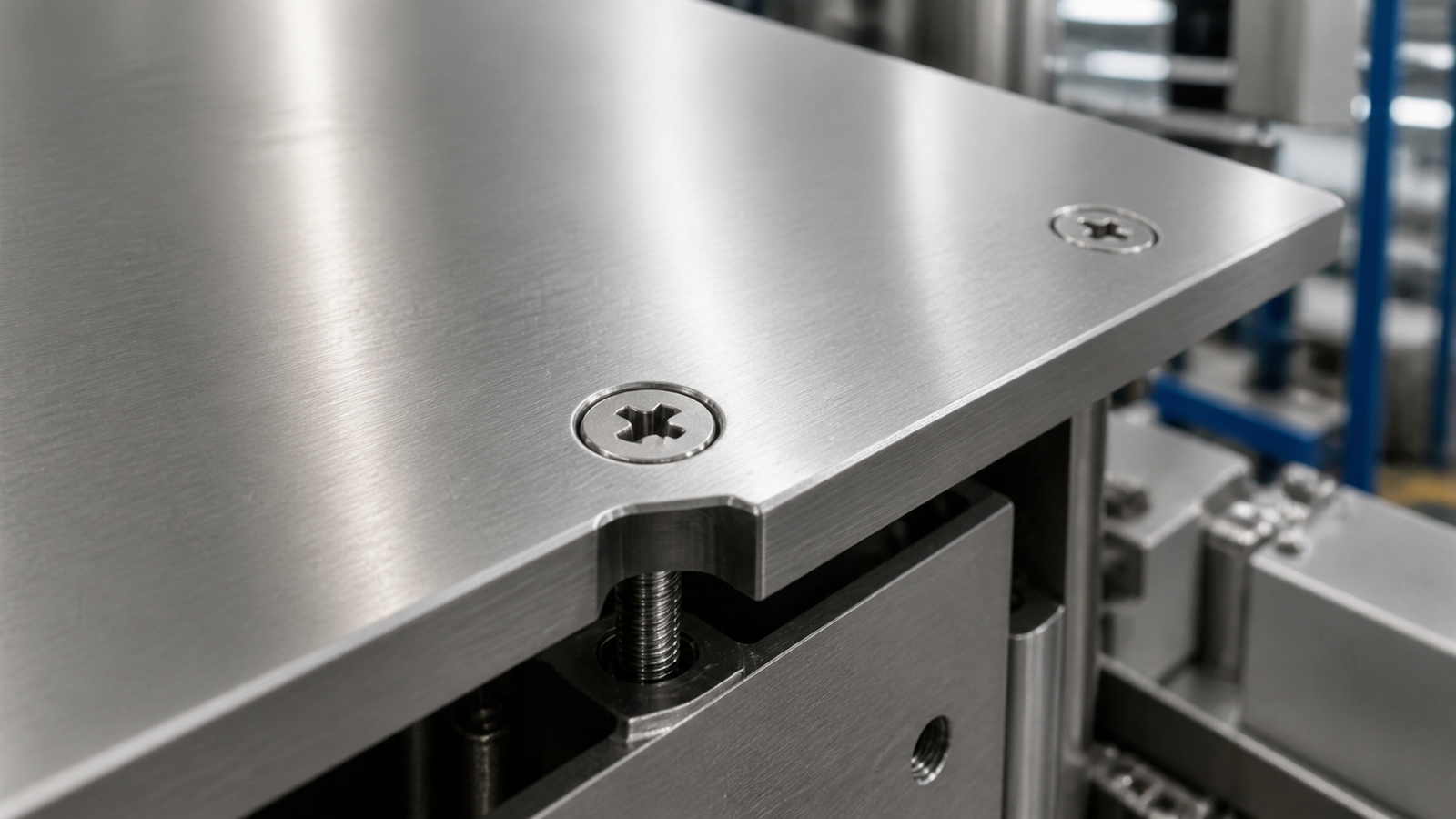
Low-profile removable covers and panels with a matched countersink and existing female thread.
Equipment cabinets and control boxes where protruding heads may interfere with adjacent parts or finished surfaces.
Industrial assemblies requiring the head to remain flush or near-flush with the component surface.
Rivet nuts, self clinching nuts, cage nuts and other inserts used with a correctly countersunk panel.
Drawing-based parts requiring controlled head seating, smooth external surfaces and reusable threaded assembly.
Frequently Asked Questions
When should I use a Countersunk Head Machine Screw instead of a Pan Head Machine Screw?
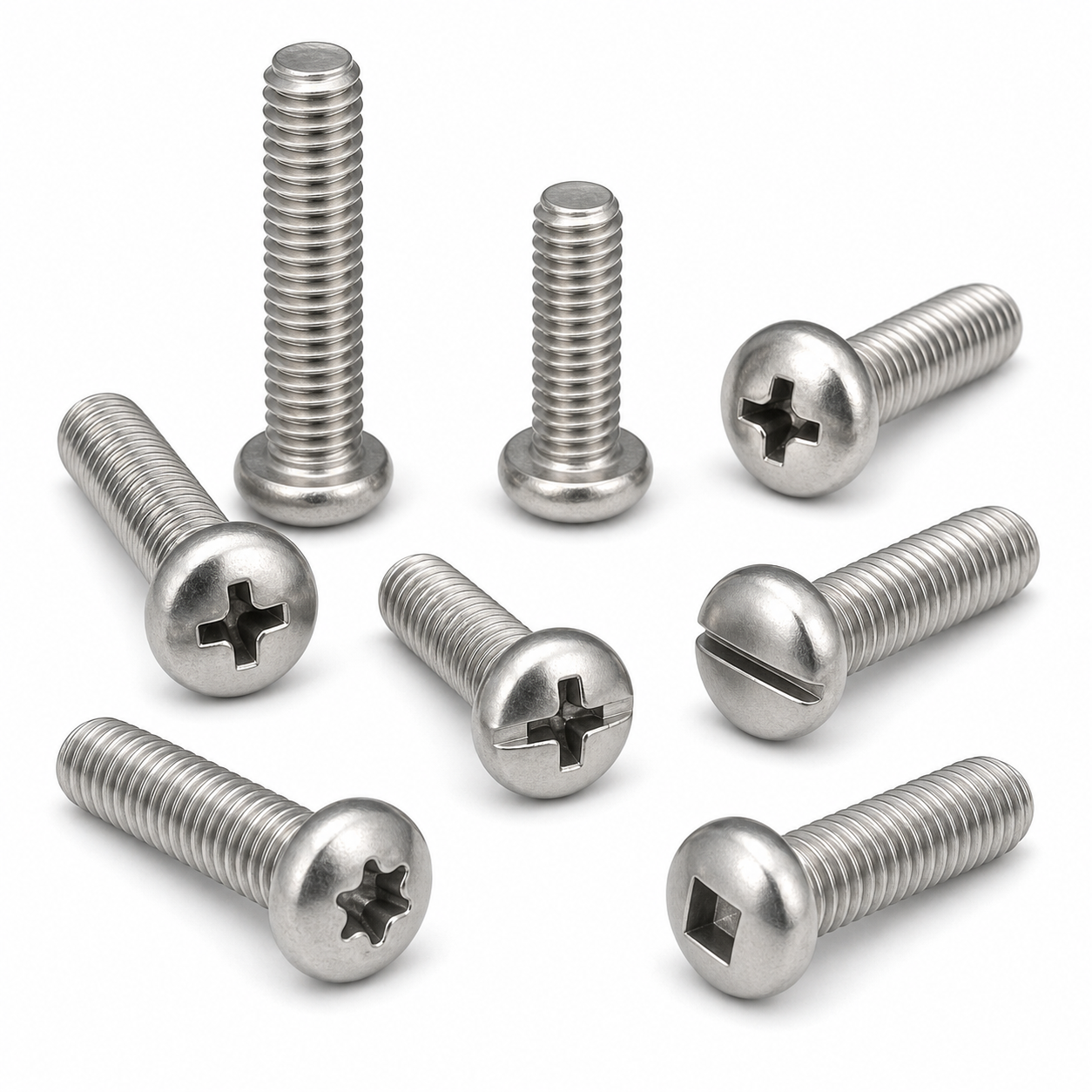
Use a countersunk screw when the head should sit flush or close to flush with a component surface. A pan head remains above the surface and may be preferable where no countersunk feature is available.
Does a Countersunk Machine Screw require a countersunk hole?
For proper flush installation, the component normally needs a countersunk feature compatible with the selected screw head diameter, depth and angle.
Which drive types are available for Countersunk Machine Screws?
Common options include Phillips / cross recessed, slotted, combination Phillips / slotted and 6-lobe drives. Availability depends on screw size, applicable standard and production requirements.
How is the length of a Countersunk Machine Screw measured?
For typical flat countersunk screws, nominal length is measured from the top surface of the head to the screw end because the head sits inside the countersunk feature.
Can VALTOR manufacture custom Countersunk Machine Screws from a drawing?
Yes. Feasible custom requirements may include thread, length, drive, head diameter, countersunk geometry, material and finish. Designs differing from a published standard are supplied to the approved customer drawing.
Share the standard or drawing, drive, thread, top-to-end length, head geometry, material, finish, quantity and mating-component requirements with VALTOR.