
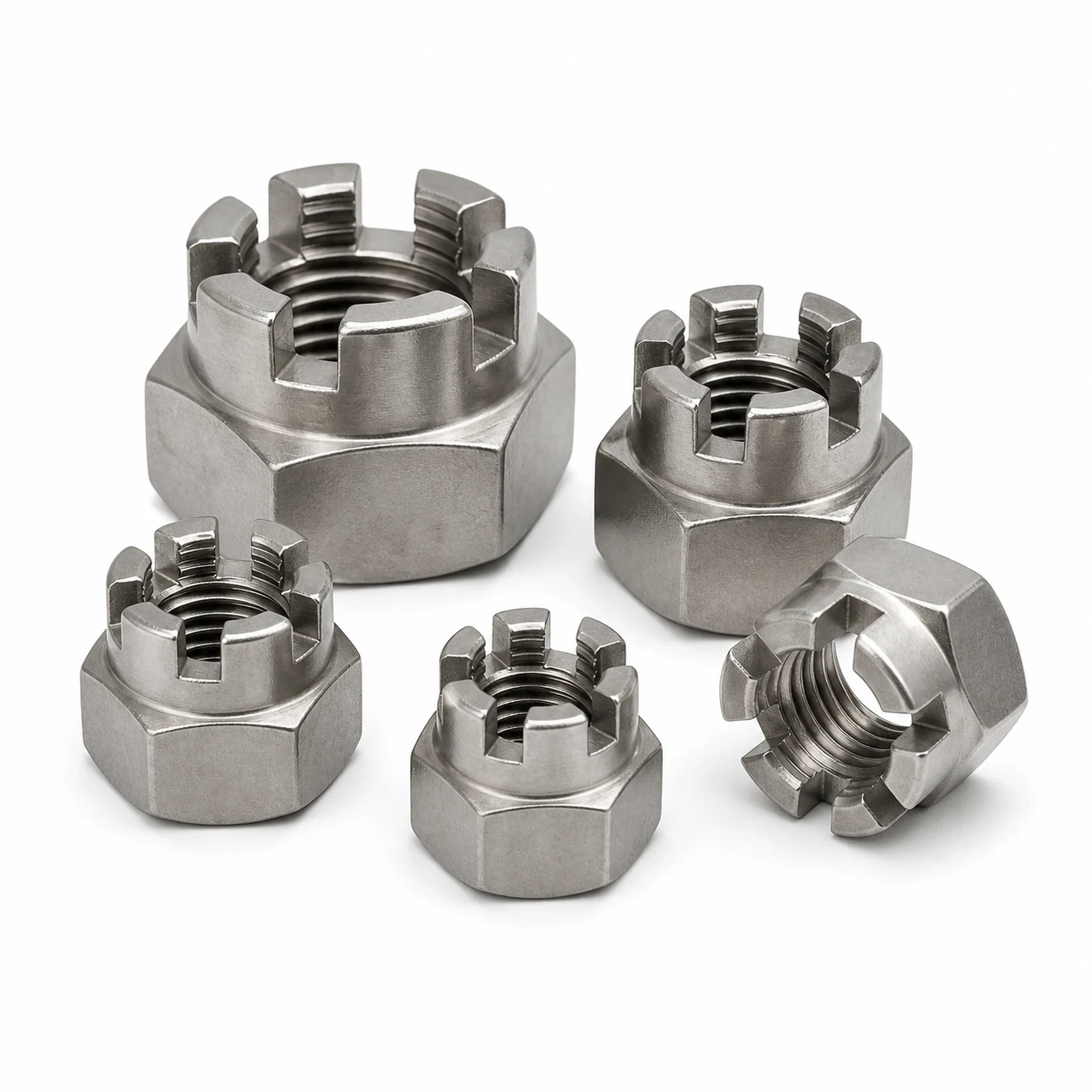
Slotted Nuts
DIN 935 DIN 935 Slotted Nuts for Cotter Pin Locking & Mechanical Assemblies
VALTOR supplies DIN 935 stainless steel slotted nuts, castle nuts and cotter pin nuts for positive mechanical locking on drilled bolts, threaded shafts and industrial machinery assemblies.
Product Overview
DIN 935 slotted nuts are mechanical locking nuts designed for use with drilled bolts, threaded shafts and cotter pins.
After tightening, one axial slot is aligned with the cross-hole in the mating bolt or shaft. A cotter pin is inserted through both components to provide positive mechanical locking and physically prevent the nut from rotating loose.
VALTOR supplies DIN 935 slotted nuts for machinery, shafts, mechanical linkages, agricultural equipment and industrial assemblies. Available materials include 304 and 316 stainless steel, carbon steel and alloy steel according to application requirements.
Technical Specifications
Cotter Pin Mechanical Locking & Slot Alignment
DIN 935 slotted nuts form a positive mechanical locking system with a cross-drilled bolt, threaded shaft or axle and a compatible cotter or split pin.
Material, Thread & Finish Options
Material and finish should match the drilled fastener, cotter pin, mechanical requirement and service environment.
Not every finish suits every material.
Locking Fit, Quality & Inspection
Inspection verifies the thread, slot formation, dimensional consistency and compatibility of the complete nut, cross-hole and cotter-pin arrangement.
Thread diameter, pitch, quality and mating fit are verified. Slot checks cover number and arrangement, width, depth, consistency, burrs and deformation. Dimensional inspection may include thread, width across flats, nut height and upper slotted-section geometry without invented values. Drawings or samples can verify installed nut position, cross-hole location, slot alignment and pin fit. When pins are supplied, diameter, passage through the hole and slot, and installation accessibility can be checked. Material, finish, thread cleanliness and visible defects are also inspected. Available documentation may include a Material Certificate / MTC, raw material report, dimensional report, applicable assembly-fit inspection or third-party support.
Matching Components, Ordering & Packaging
Compatibility requires thread, cross-hole location, slot position, pin size, material and mechanical requirement—not nominal diameter alone.
Provide DIN 935, thread and pitch, nut material and finish, shaft or bolt drawing, cross-hole diameter and position, pin requirement and quantity.
Customer drawings or samples help confirm engagement, installed position, slot alignment, cross-hole position and pin fit; a standard nut alone does not guarantee alignment.
Nuts and pins can be packed by customer part number, assembly set, quantity or project identification, with customer labels, carton markings, batch identification and authorized private-label packaging. Components are not implied to be preassembled unless requested.
Delivery depends on thread, material, finish, quantity, matching components, custom compatibility, inspection and current production availability.
Applications
Positive cotter-pin locking for shafts, linkages and demanding machinery assemblies.
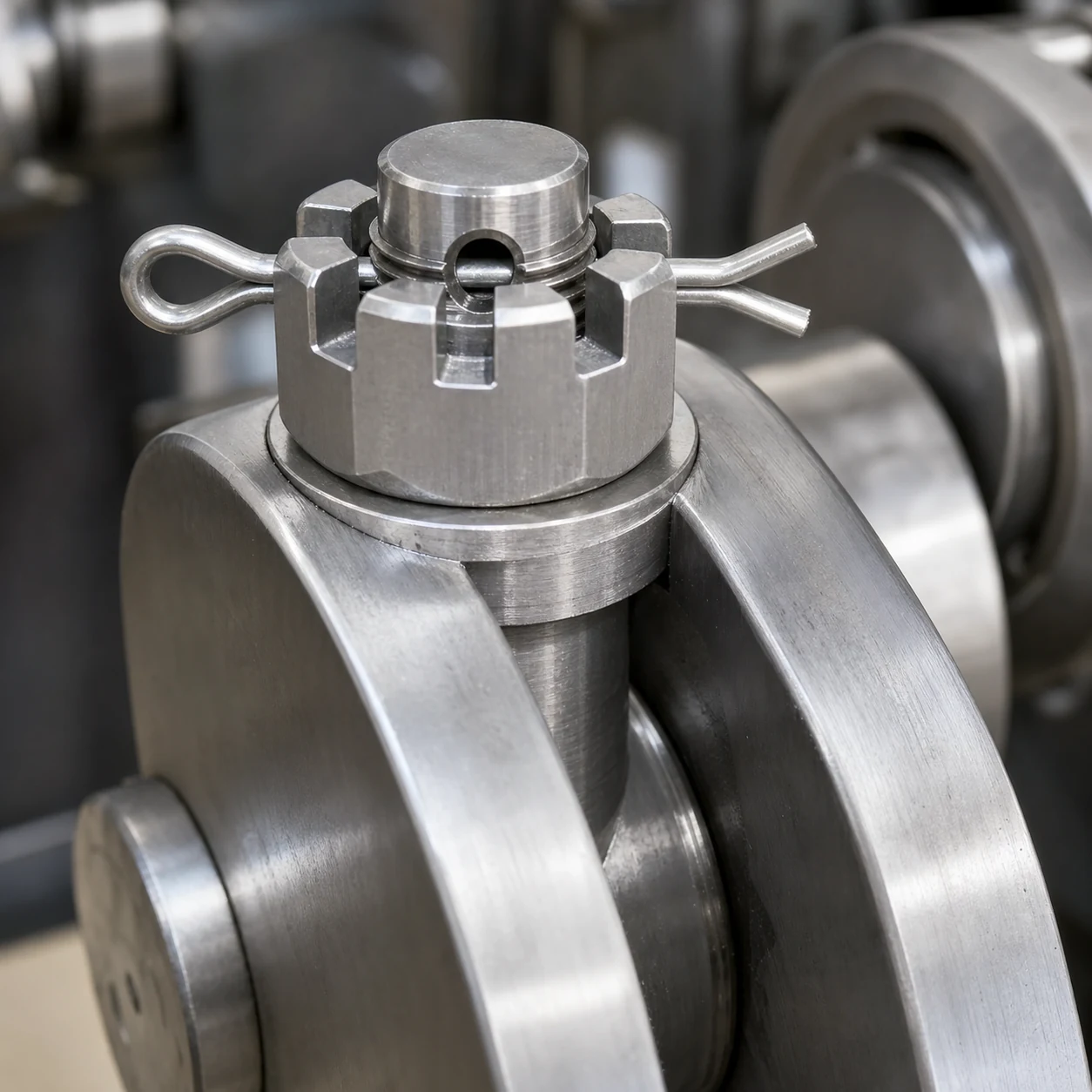
Locks adjustment and retention nuts on rotating or stationary shaft and axle assemblies.
Provides positive fastening for pivots, hubs and serviceable joints exposed to vibration.
Secures drilled bolts and shafts in machinery requiring visible mechanical retention.
Prevents loosening at clevises, pivots and articulated mechanical connections.
Supports reliable shaft and joint retention in heavy construction and engineering equipment.
Frequently Asked Questions
What are DIN 935 slotted nuts used for?
DIN 935 slotted nuts are used in mechanical assemblies where a cotter pin provides positive locking between the nut and a drilled bolt or threaded shaft.
How does a slotted nut work with a cotter pin?
After the nut is tightened, one of the slots is aligned with the cross-hole in the bolt or shaft. A cotter pin is then inserted through both to prevent the nut from rotating loose.
How do I select the correct slotted nut for a drilled bolt?
Confirm the thread specification, nut size, bolt or shaft diameter, cross-hole position and required assembly geometry before ordering.
Can DIN 935 slotted nuts be supplied in 304 or 316 stainless steel?
Yes. 304 and 316 stainless steel options are available for applications requiring corrosion resistance.
What inspection documents can be provided for machinery fasteners?
Material certificates and inspection documentation can be supplied according to the product specification and order requirements.
Related Products
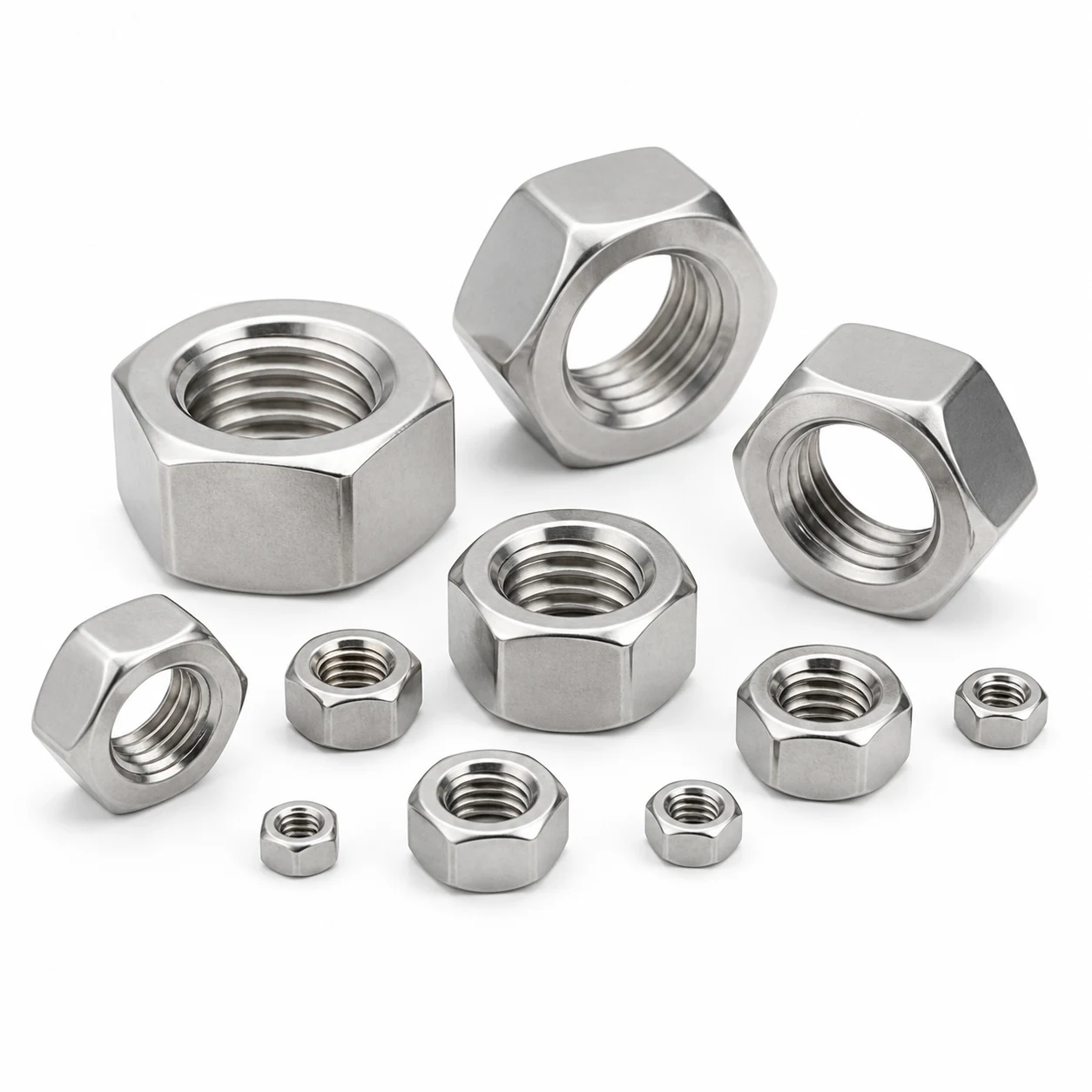

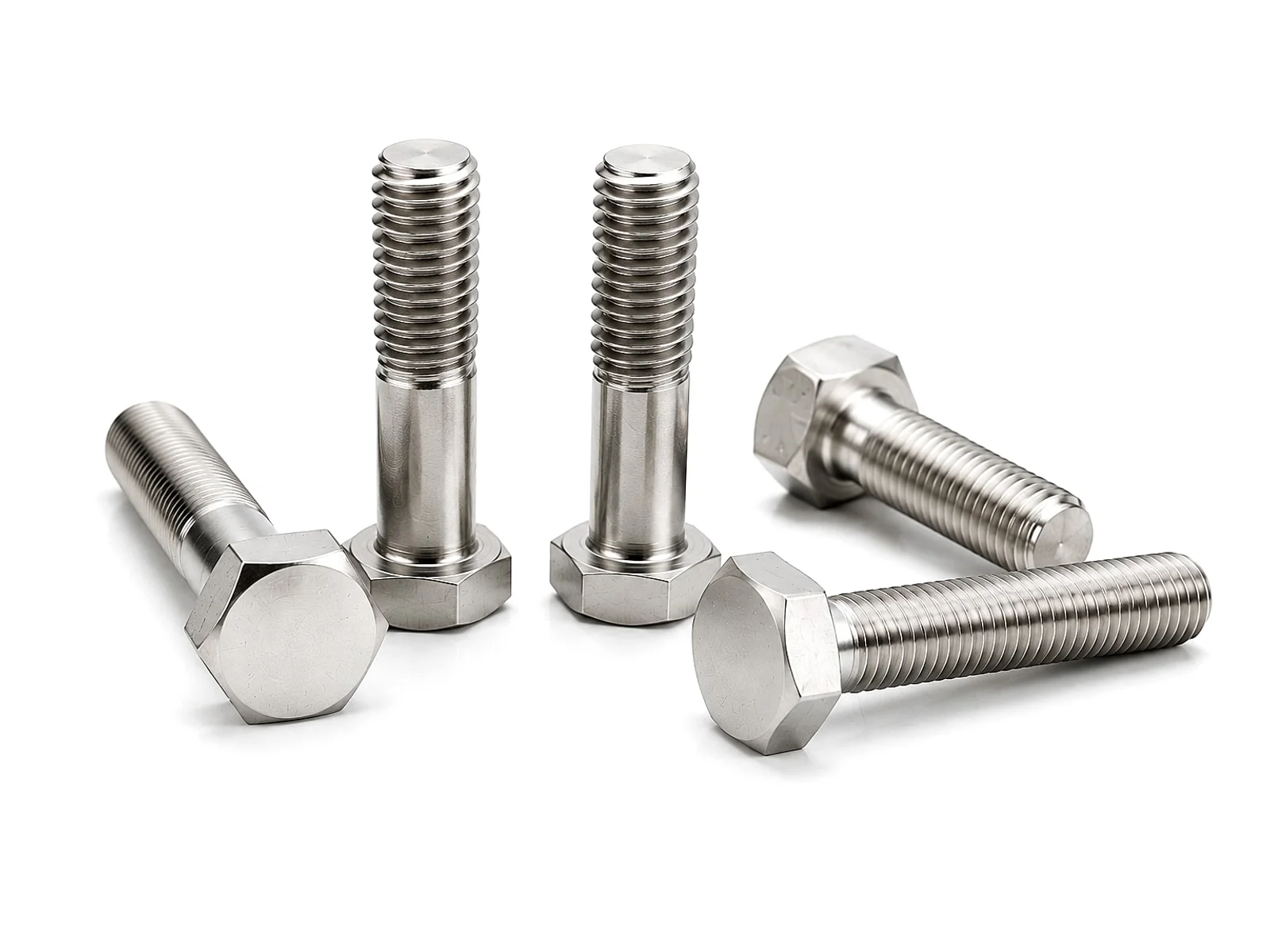
Share the required material, thread size, quantity, packaging and documentation requirements with VALTOR.