

Stainless Steel Wedge Lock Washers
Paired Cam-Lock Washers for Vibration & Dynamic Bolted Connections
Supplied as a matched two-washer pair, with radial serrations on the outward faces and opposing wedge cams on the inward faces. Correct cam-to-cam installation creates a mechanical wedging action when rotational loosening is attempted.
Product Overview
Each functional unit contains two matched thin washers. Serrated outer faces contact the bolt head or nut and mating surface; shallow cam faces are paired internally. Adhesive, where used for handling, is not the locking mechanism.
With cam angle α designed greater than thread lead angle β, attempted loosening requires relative movement up the opposing cams and creates axial wedging. This differs from split spring washers and single serrated washers.
Specify bolt size, d1, d2, individual thickness s, total pair height h, material, hardness, standard or enlarged OD, application, quantity and drawing. Performance depends on clamp load, surface hardness, coating, installation and joint design.
Technical Specifications
Cam Angle, Washer Orientation & Wedge-Locking Principle
Stainless Steel, Size & OD Options
Cam Geometry & OEM Manufacturing
ID, OD, s, h, cam angle/count, serration geometry/count, OD series, material, hardness and surface.
Manufacturer specification, customer drawing, sample or OEM/project requirement.
Bolt size, ID, OD series, material, hardness if specified, application, surface material, quantity and drawing/sample.
Pair Assembly & Functional Quality Control
Where required, testing may include tightening/untightening evaluation, preload retention, transverse vibration and joint-specific validation. Only actual tested results are reported; no universal cycles, torque, preload percentage or reuse limit is invented.
Applications
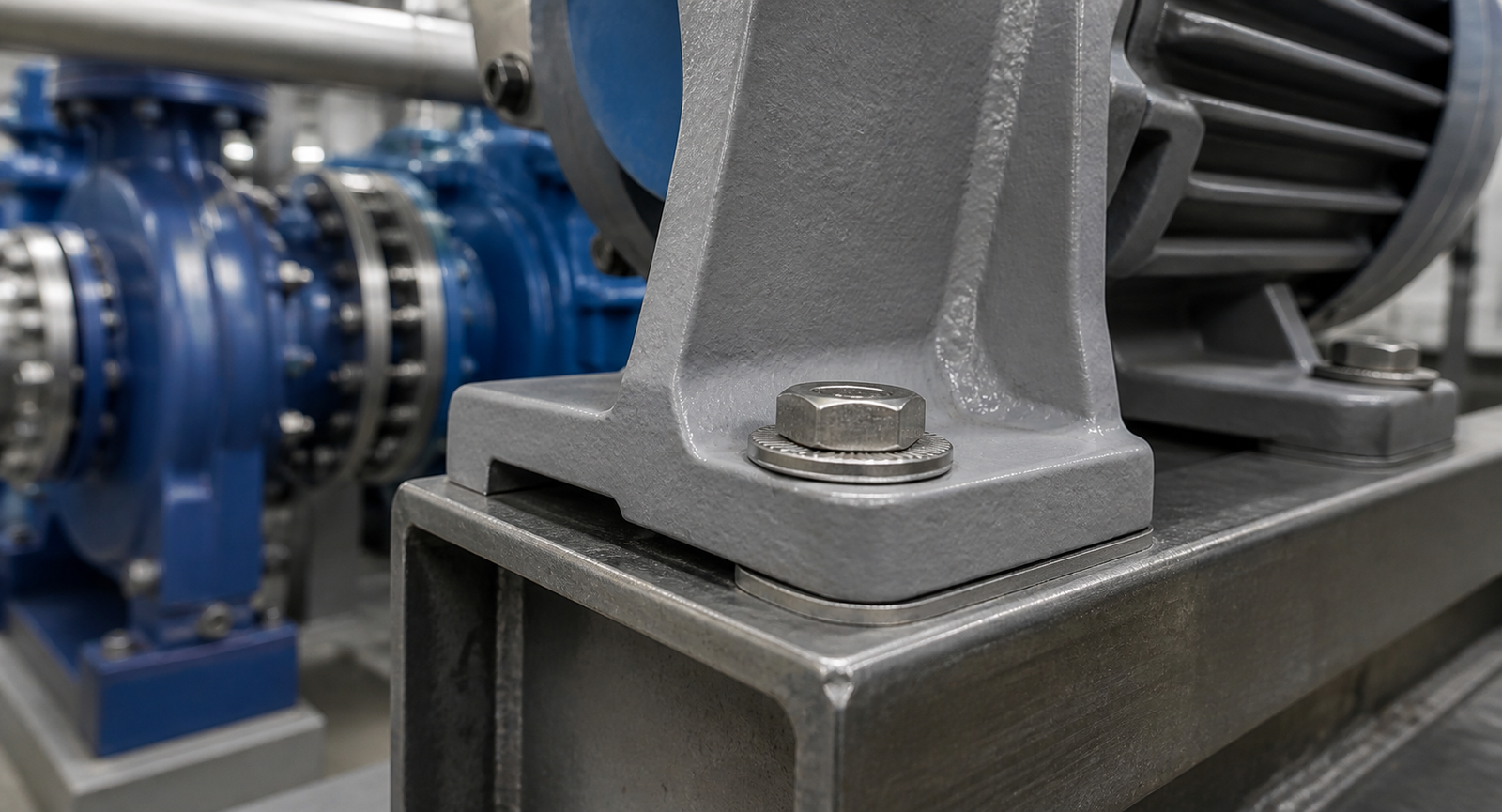
Dedicated mechanical locking for suitable dynamic bolted joints.
Matched pairs selected for motor, pump and gearbox assemblies.
Stainless options for corrosion-sensitive installations.
Suitable joints exposed to repeated vibration and dynamic loading.
Standard or drawing-based pairs by size, OD, material and cam design.
Frequently Asked Questions
How do Wedge Lock Washers work?
Two washers install cam-to-cam. Outer serrations grip contact surfaces while opposing cams create an axial wedge effect against rotational loosening.
Which way should Wedge Lock Washers be installed?
Cam faces toward each other; serrated faces outward toward the bolt head or nut and mating surface.
How do they differ from Spring Washers?
Spring washers rely mainly on elastic action; wedge-lock pairs use opposing cam geometry.
Is DIN 25201 the dimensional standard?
No. DIN 25201-4 concerns railway bolted-joint securing and verification; dimensions follow manufacturer, customer or project specifications.
Can VALTOR supply stainless versions?
Yes. 304/A2 and 316/A4 pairs, including standard and enlarged OD where available, can be supplied to specification.
Related Products
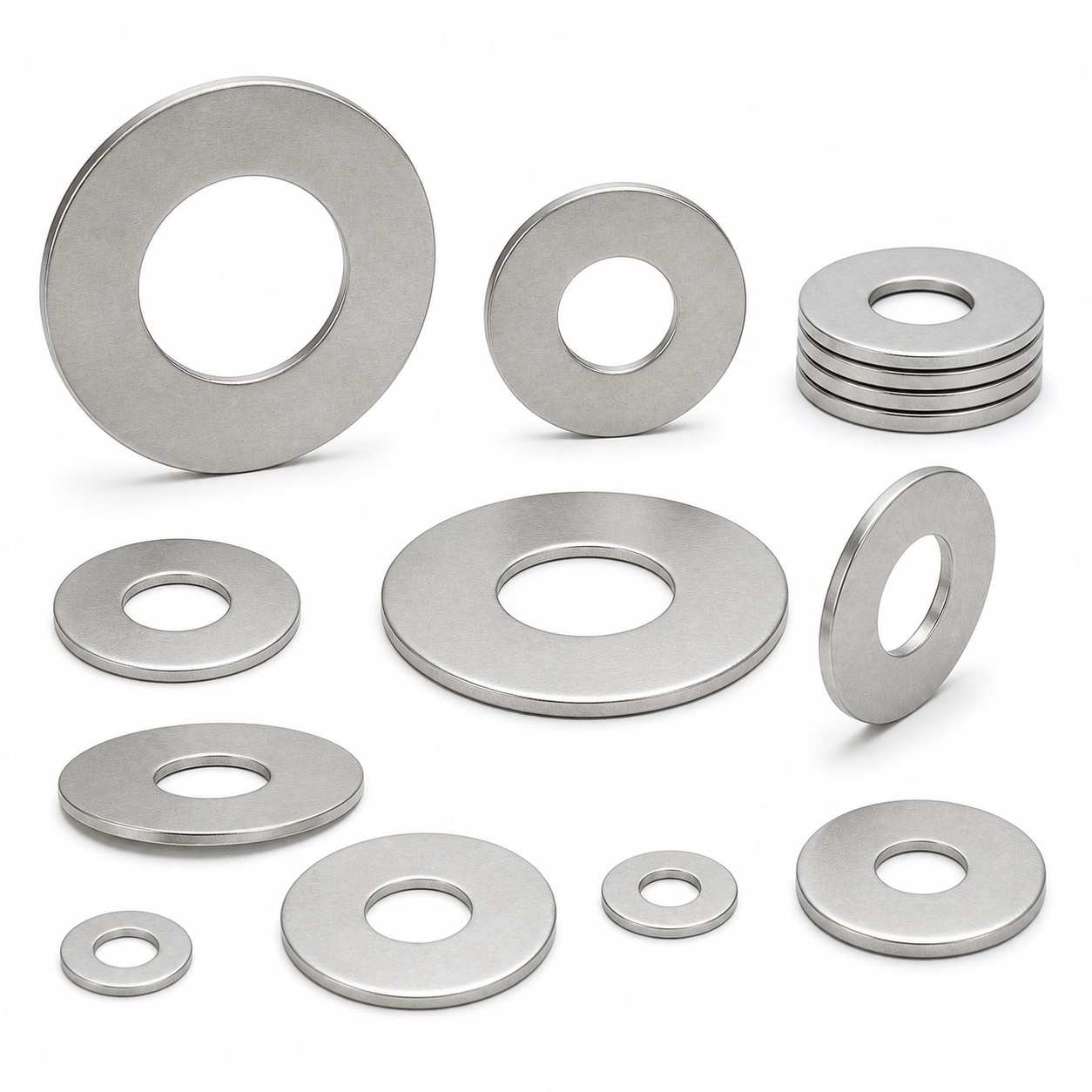

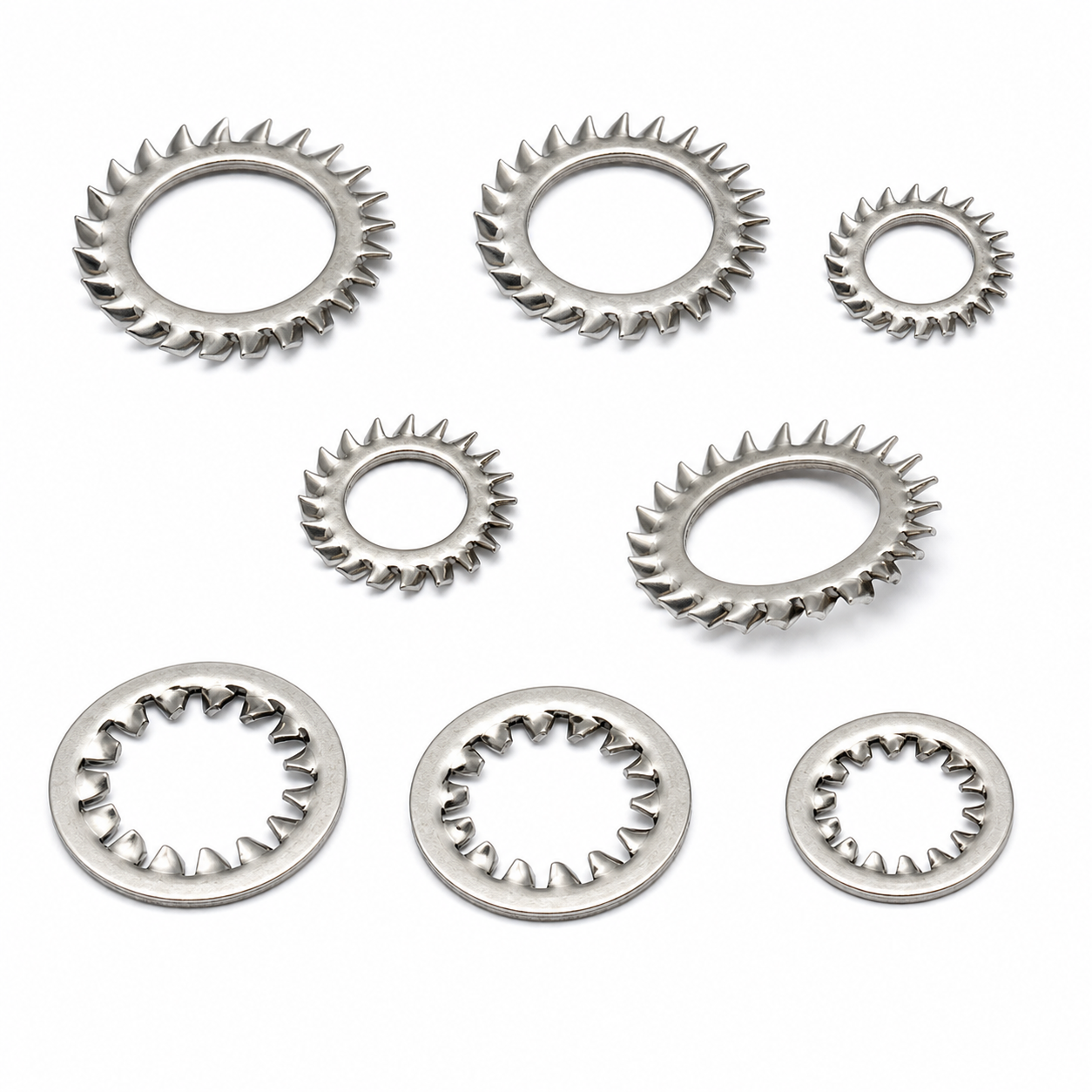
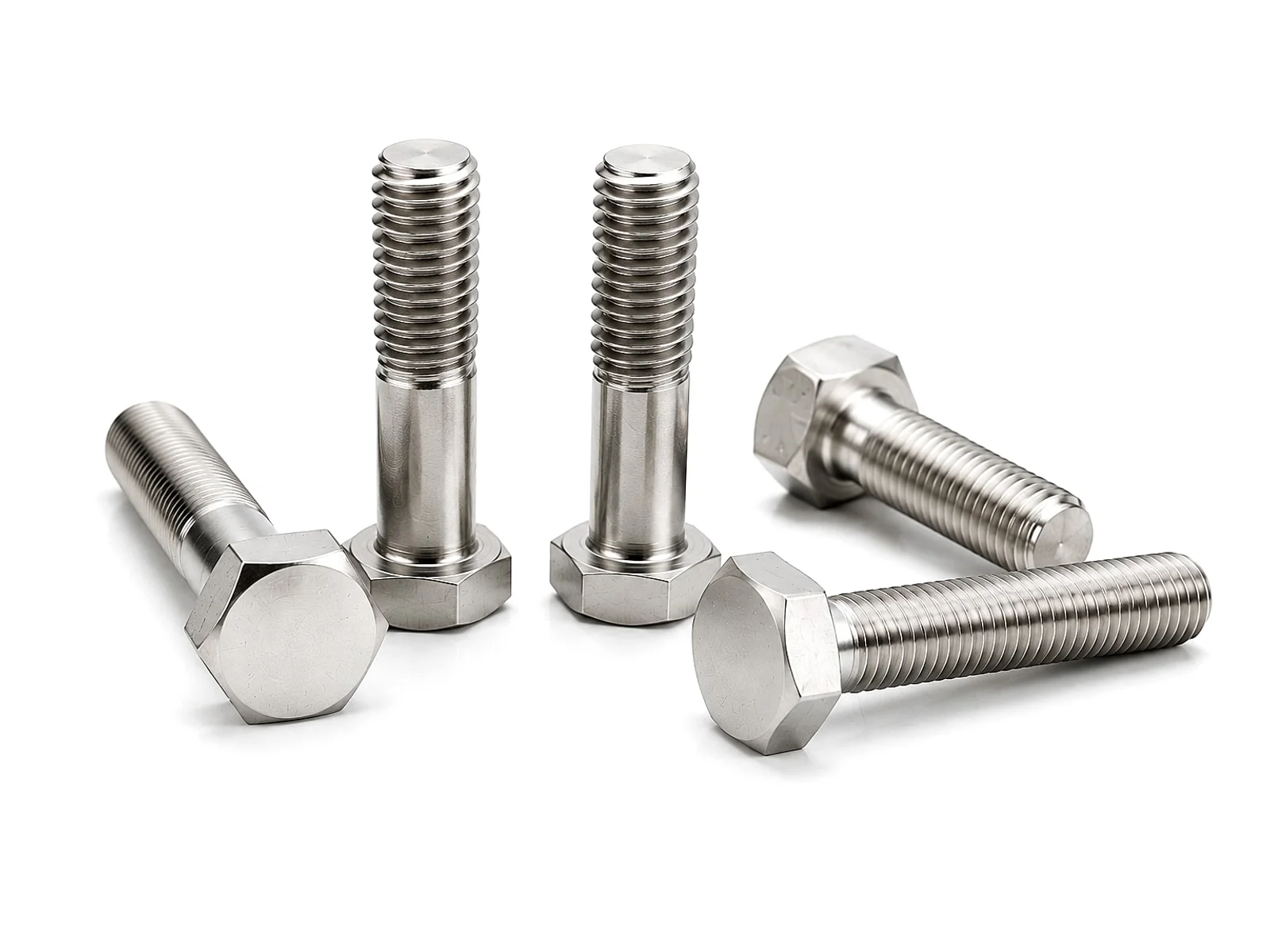
Share bolt size, ID, OD series, pair height, material, hardness, application, drawing and quantity with VALTOR.