

All Metal Lock Nuts
DIN 980M & DIN 980V Prevailing Torque Nuts
VALTOR supplies all-metal prevailing torque lock nuts for vibration-resistant fastening in industrial machinery, equipment and demanding mechanical assemblies. DIN 980M uses an additional metal locking insert, while DIN 980V uses a controlled single-piece metal deformation to create prevailing torque.
Product Overview
All metal lock nuts create controlled friction and prevailing torque on a mating thread, helping resist loosening caused by vibration, movement and repeated operation. Unlike nylon insert lock nuts, they use no polymer components and can be considered where all-metal construction or higher-temperature capability is required.
DIN 980M and DIN 980V represent two distinct all-metal locking constructions. DIN 980M is a two-component Type M design with an additional metal locking element inserted into the prevailing-torque section. DIN 980V is a single-piece Type V design in which the nut itself is deformed to create the locking action.
Carbon steel and alloy steel are common industrial material choices. 304 and 316 stainless steel options are available for corrosion-resistant environments. Finishes can include plain, zinc plated or black oxide, while stainless steel versions are typically supplied natural or passivated.
Technical Specifications
Two-Piece Metal Prevailing Torque Locking Mechanism
DIN 980M / Type M is a two-piece all-metal prevailing torque hexagon nut consisting of the main threaded nut body and an additional metallic locking element in the upper locking section.
Material, Mechanical & Finish Options
Material, mechanical properties, coating and prevailing-torque behavior should be selected together for the mating fastener and service environment.
Not every finish suits every material. Surface treatment can affect thread friction and assembly behavior, so coating and locking-performance requirements should be considered together.
Locking Performance, Quality & Documentation
Inspection focuses on the mating thread, correct assembly of the additional metallic locking element, prevailing torque where specified, dimensions, material and finish.
Thread inspection covers diameter, pitch, quality, continuity and mating fit. The two-piece structure is checked for locking-element presence, position, formation, damage, cracks and unintended deformation. Where ordered, installation and removal prevailing torque and sample consistency can be assessed only against applicable standard or customer values. Dimensional checks may cover thread size, width across flats, nut height, overall and locking-section geometry. Mechanical requirements are verified only when specified, without invented proof-load, hardness, tensile or capacity values. Available documentation may include a Material Certificate / MTC, raw material report, dimensional report, specified prevailing-torque record, applicable mechanical test report or third-party support.
Matching Fasteners, Ordering & Packaging
Compatibility must be checked by thread size and pitch, bolt or stud grade, nut mechanical requirement, material, finish and application—not nominal diameter alone.
Provide DIN 980M / Type M, thread size and pitch, material, property class or mechanical requirement, finish, quantity, mating fastener, specified prevailing torque, inspection, documentation and packaging requirements.
A part that differs from standard DIN 980M dimensions or construction must be identified as custom or drawing-based and should not be called DIN 980M unless it conforms to the required standard.
Customer part numbers, specification labels, required batch identification, carton markings, packing quantities and customer-authorized private-label packaging can be supported. Physical VALTOR engraving is not implied.
Delivery depends on thread size, material, property requirements, finish, quantity, locking-element specification, testing, documentation and current production availability.
Applications
All-metal vibration-resistant fastening for industrial purchasing requirements.
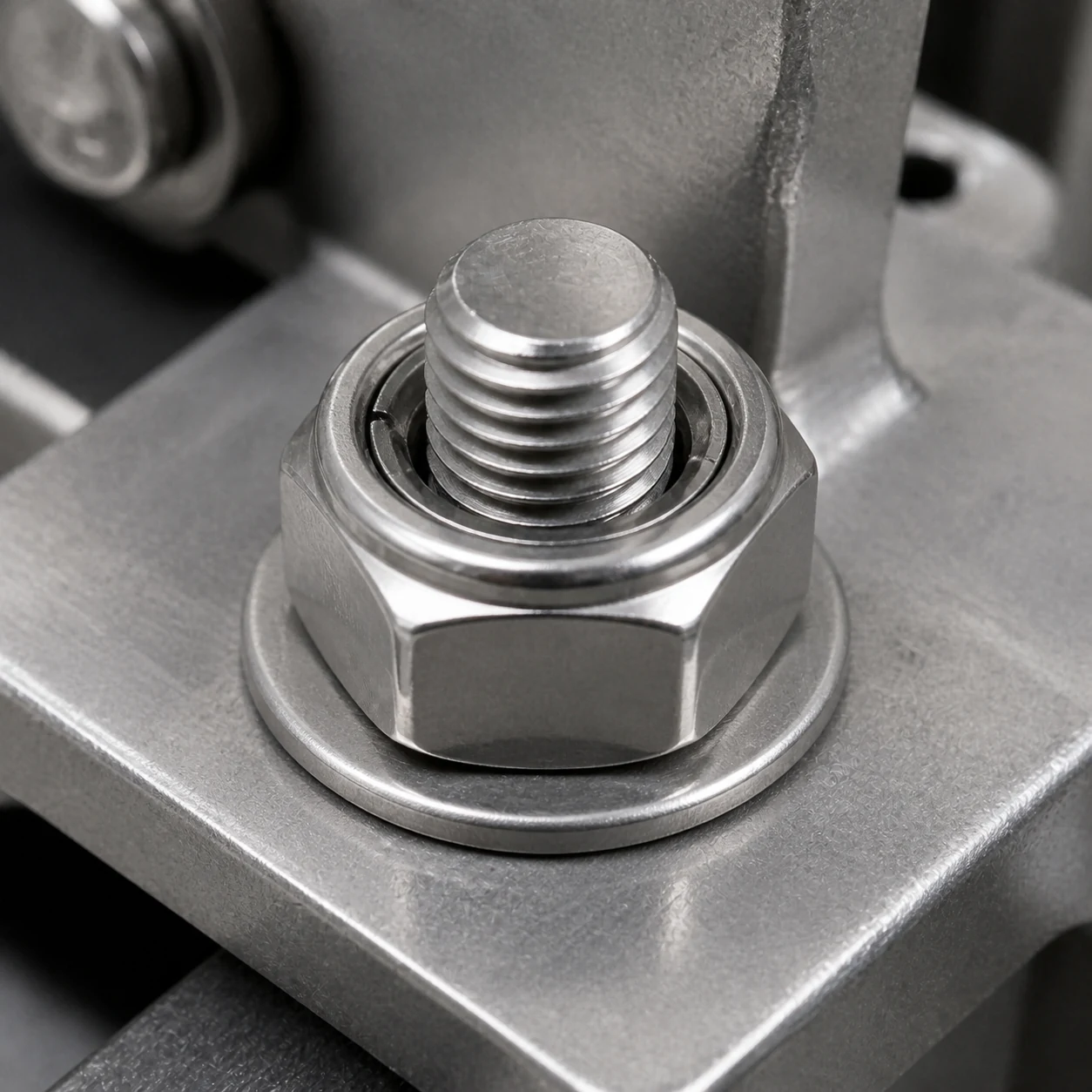
Maintains fastening stability in machinery exposed to continuous motion and vibration.
Used in production equipment where reliable repeatable threaded connections are required.
Supports demanding bolted joints in large equipment and fabricated assemblies.
Provides prevailing torque where movement can loosen ordinary hex nuts.
Available for project-specific material, size and documentation requirements.
Frequently Asked Questions
What is a DIN 980M all metal lock nut?
DIN 980M all metal lock nuts use an additional metal prevailing torque locking element to improve resistance against loosening in threaded assemblies.
How do all metal lock nuts prevent loosening?
The locking section creates additional friction and prevailing torque on the mating thread, helping maintain fastening stability under vibration.
What is the difference between all metal lock nuts and nylon lock nuts?
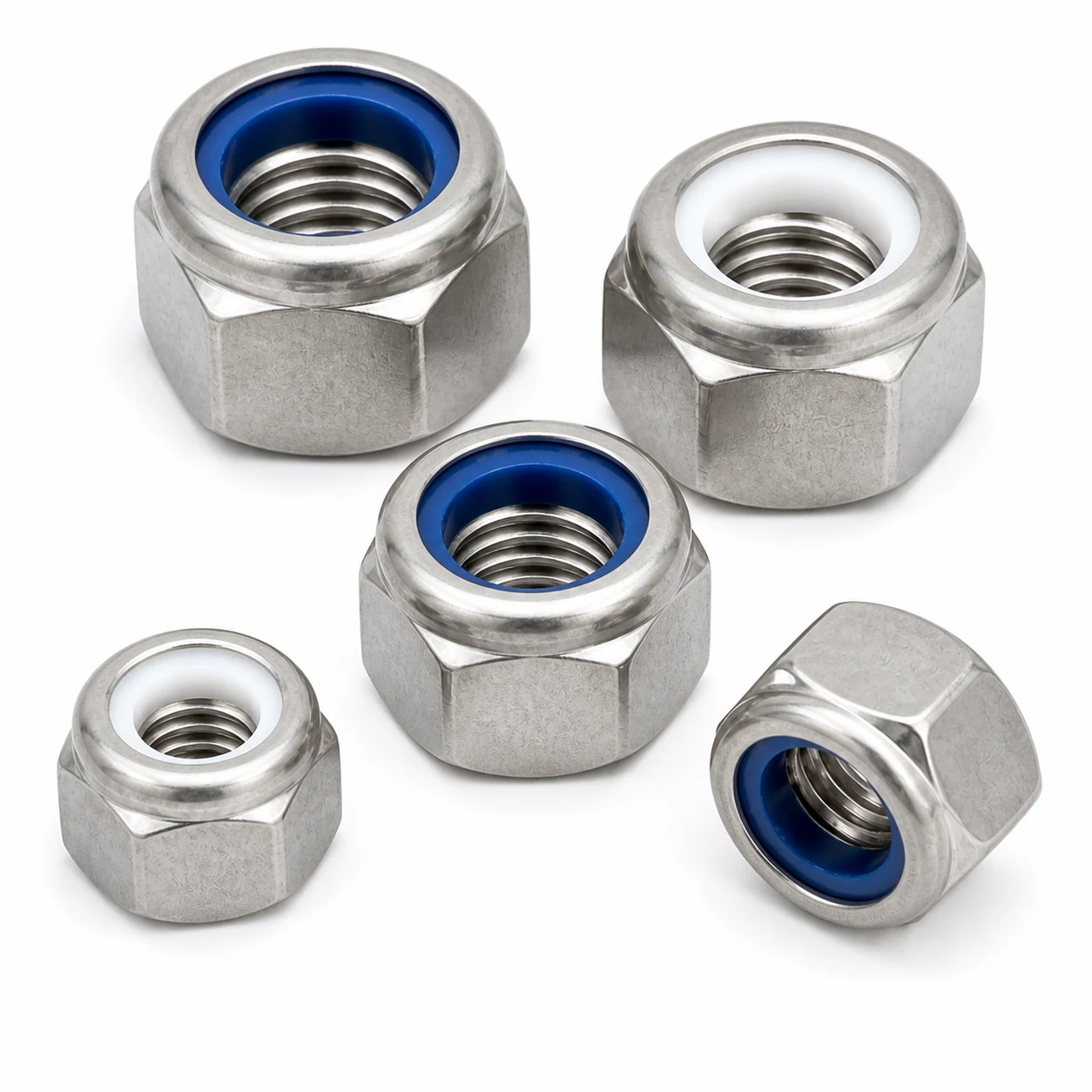
Nylon lock nuts use a plastic insert for locking, while all metal lock nuts use a fully metal locking design without polymer components.
Are all metal lock nuts suitable for high temperature applications?
Because they do not rely on nylon inserts, all metal lock nuts are often selected for applications where higher temperature resistance is required. Material selection depends on operating conditions.
Can you provide material certificates and inspection documents?
Yes. Material certificates, inspection reports and quality documentation can be supplied according to customer requirements.
Related Products
Share the required standard, material, thread size, quantity and documentation requirements with VALTOR.