
Understanding Fastener Property Classes: 8.8, 10.9 and 12.9
Fastener strength classification is an important consideration when selecting bolts, screws and other threaded components for industrial applications. Numbers such as 8.8, 10.9 and 12.9 commonly appear in metric fastener specifications and identify mechanical property requirements defined by applicable international standards. They help engineers and buyers compare expected performance, but they do not replace a complete product specification. Selecting the correct fastener is not simply a matter of choosing the highest class. Joint loads, fatigue conditions, material compatibility, corrosion exposure, temperature, tightening method and assembly design must all be reviewed together. A grade that provides additional strength may introduce different installation or environmental considerations and may be unnecessary for a general-purpose connection. This guide explains what the common classes mean in practical purchasing terms, where they are typically considered, and which information should be confirmed before ordering high-strength industrial fasteners.
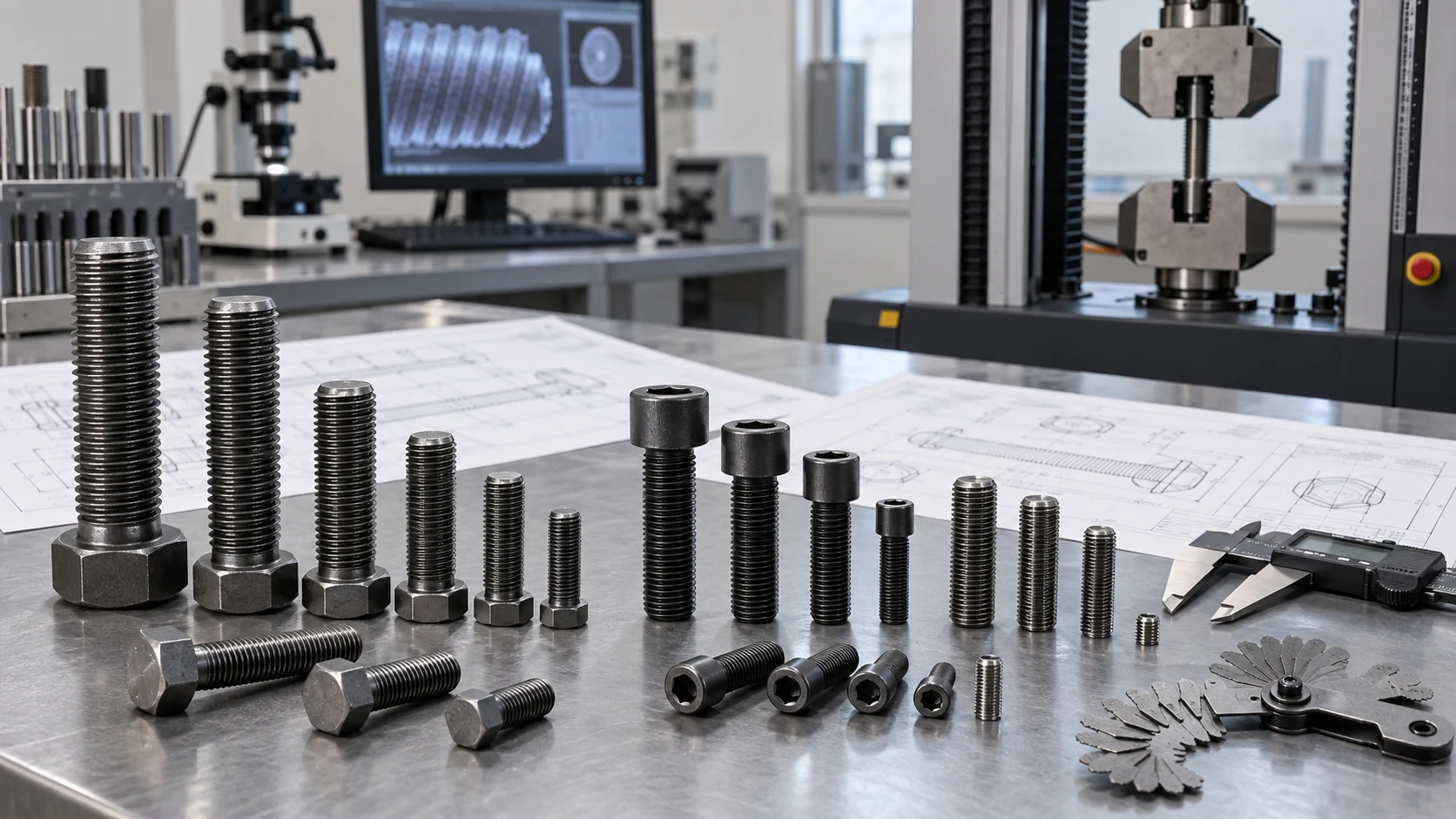
Overview
Metric carbon and alloy steel fasteners commonly use property classes to describe mechanical performance. Common classes include 8.8, 10.9 and 12.9. These classifications help buyers and engineers identify suitable requirements for different applications, but they should be evaluated with the complete joint specification.
Property class is only one part of fastener selection. Material, corrosion resistance, dimensions, thread specification and installation requirements must also be considered.
Key Takeaways
- 8.8, 10.9 and 12.9 are commonly used metric fastener property classes.
- Higher property class generally indicates higher mechanical strength capability.
- The highest strength grade is not always the correct choice for every application.
- Material selection, corrosion environment and assembly conditions are equally important.
- Buyers should confirm the required standard and specification before ordering.
What Are Fastener Property Classes?
Property classes identify mechanical performance requirements for applicable metric fasteners. In general terms, the first number relates to the nominal tensile-strength level and the second number relates to the yield-strength ratio. The detailed requirements and test methods must be taken from the governing standard, commonly ISO 898-1 or a DIN-related product specification where applicable. Not every fastener material or product family uses this classification system.
Understanding 8.8 Fasteners
Class 8.8 is one of the most widely used carbon steel fastener classes. It provides a practical balance of strength, availability and cost for machinery, general industrial equipment, steel structures and mechanical assemblies. Buyers should still confirm the product standard, joint design and finish. Explore Bolts and Carbon Steel & Alloy Steel Materials.
Understanding 10.9 Fasteners
Class 10.9 fasteners provide higher mechanical performance than class 8.8 and are commonly considered for heavy machinery, automotive-related equipment, structural mechanical connections and other high-load assemblies. Selection must follow the actual design requirement rather than a general preference for a higher class.
Understanding 12.9 Fasteners
Class 12.9 is commonly associated with high-strength alloy steel fasteners used in precision machinery, compact high-load mechanical assemblies and connections where available space and mechanical demand require careful evaluation.
Higher strength grades may require careful consideration of fatigue, corrosion protection, tightening method and assembly design.
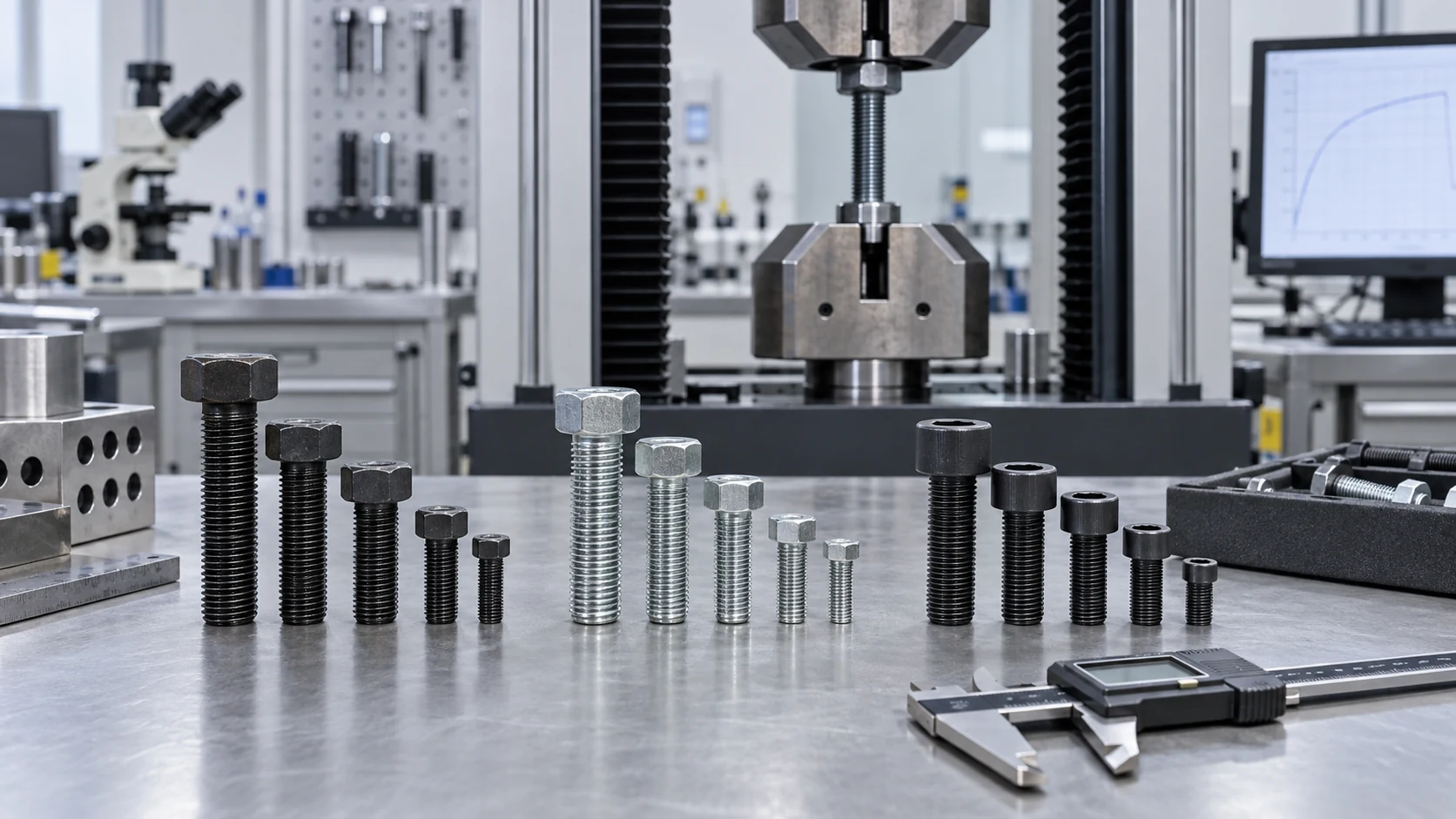
8.8 vs 10.9 vs 12.9 Comparison
| Property Class | Typical Application | Strength Level | Common Material Type | Buyer Considerations |
|---|---|---|---|---|
| 8.8 | General industrial applications | Standard high strength | Carbon/alloy steel | Widely used and cost effective. |
| 10.9 | Heavy-duty mechanical applications | Higher strength | Alloy steel | Requires correct application evaluation. |
| 12.9 | High-load compact assemblies | Very high strength | Alloy steel | Requires careful design and installation control. |
How to Select the Correct Strength Grade
Review the load requirement, joint design, fatigue conditions, installation method, operating temperature, corrosion environment and material compatibility. The selected class should match the complete assembly and governing design requirements.
Choosing a higher property class does not automatically improve the complete assembly if other design factors are not suitable.
Material Relationship and Limitations
Property class is not the same as material grade. Carbon and alloy steel fasteners may be specified as 8.8, 10.9 or 12.9 where the relevant standard applies. Stainless steel fasteners commonly use different designation systems. Grades such as 304 and 316 identify corrosion-resistant alloy families and are not the same property-class system used for carbon steel fasteners.
Compare Stainless Steel & Special Alloy Materials with Carbon Steel & Alloy Steel Materials.
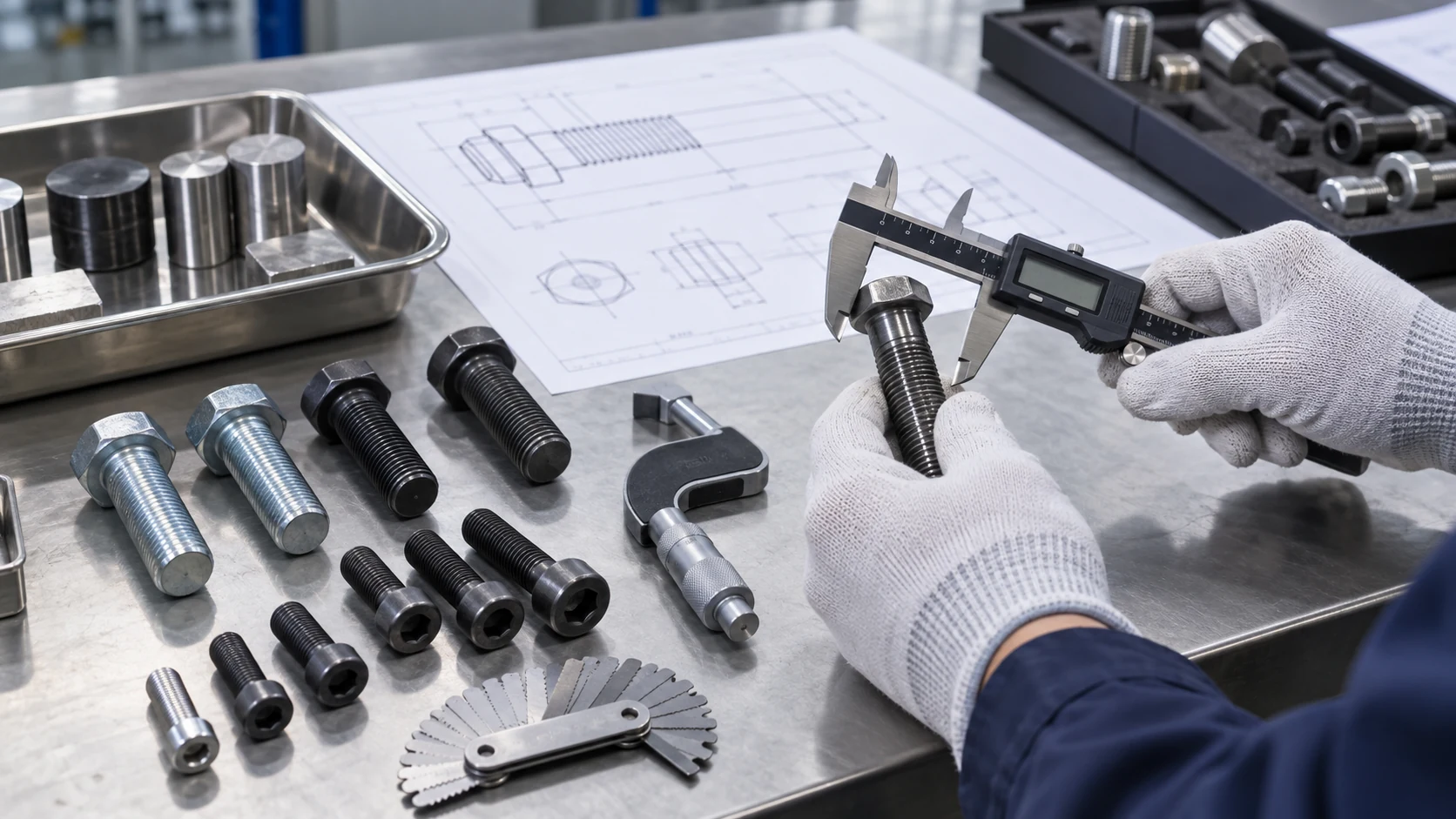
Purchasing Checklist for High Strength Fasteners
- Product standard
- Fastener type
- Diameter and length
- Thread specification
- Property class
- Material
- Surface treatment
- Application requirement
- Quantity
- Inspection documents if required
FAQ
Is 12.9 always better than 10.9?
No. The correct grade depends on the application requirements, design conditions and assembly environment.
What does 8.8 mean on a bolt?
It identifies the mechanical property class of the metric fastener according to the applicable standard.
Are 8.8 and 10.9 bolts made from the same material?
Not necessarily. Material selection and heat treatment requirements depend on the specification.
Can stainless steel bolts use 8.8 or 10.9 grades?
Stainless steel fasteners generally use different designation systems and should be specified according to the applicable stainless steel standard.
Where are 12.9 socket head screws commonly used?
They are commonly used in high-load mechanical assemblies where compact high-strength fastening is required.
What information should be included when ordering high-strength fasteners?
Specify standard, size, material, property class, finish, quantity and application requirements.
Need Product or Technical Support?
Share your fastener, material, standard or application requirements with VALTOR.