Cold Heading & Cold Forming
Custom Cold Headed Fasteners & Cold Formed Components for OEM Production
VALTOR supplies custom cold headed and cold formed fasteners and metal components manufactured according to customer drawings, samples and production requirements.
Cold forming is widely used for repeat-production bolts, screws, rivets, headed pins, studs and special fastening parts where efficient material utilization, consistent geometry and reliable batch production are important. Component geometry, material, forming route, tooling and secondary operations are reviewed according to the actual drawing and order requirements.
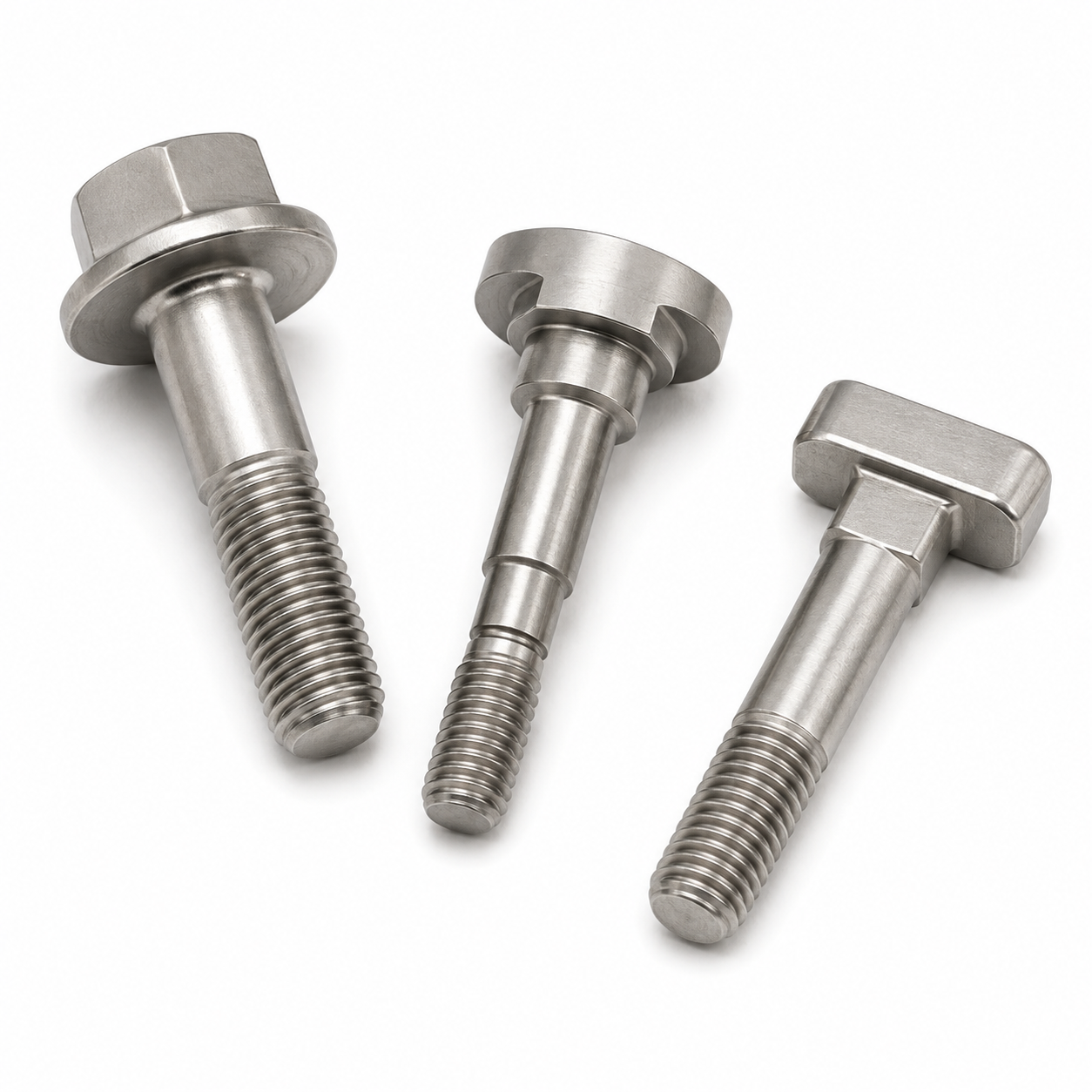
Cold Heading & Cold Forming Manufacturing
Forming routes developed around component geometry, material and repeat-production requirements.
Cold heading is a metal forming process in which wire or other suitable raw material is progressively shaped through dies and punches to create headed and multi-diameter components with limited material removal.
Where the part geometry, material and production quantity are suitable, cold forming can support high material utilization, efficient repeat production, consistent part geometry, formed head features, favorable material flow and reduced machining for appropriate components. It is not automatically the best route for every design.
Manufacturability depends on material grade and condition, part diameter and length, head volume, head-to-shank ratio, forming complexity, required tolerances, quantity and secondary operations. Drawing and tooling review are required before quotation and production.
What We Can Manufacture
Cold-formed component families selected according to realistic forming suitability.
Cold Headed Bolts
Hex Bolts · Flange Bolts · Special Head Bolts · Reduced-Shank Bolts · Drawing-Based Bolt Blanks
Cold Headed Screws
Machine Screws · Special Head Screws · Self-Tapping Screw Blanks · Captive Screw Bodies · OEM Screw Components
Rivets & Headed Fasteners
Solid Rivets · Headed Rivets · Semi-Tubular Rivets where applicable · Special Rivet Bodies
Pins & Stud Components
Headed Pins · Shoulder Pins · Threaded Stud Blanks · Locating Pins · Special End Components
Flanged & Multi-Diameter Parts
Flanged Components · Collared Parts · Stepped Shanks · Reduced Sections · Upset-End Components
Drawing-Based Cold Formed Parts
OEM Fastening Components · Custom Metal Blanks · Preforms for Secondary Machining · Multi-Station Formed Parts
Cold Forming Processes & Part Features
Each operation is considered only where appropriate to the material and component geometry.
Upsetting / Heading
Bolt Heads · Screw Heads · Rivet Heads · Enlarged Ends · Collars
Forward Extrusion
Reduced Diameter Sections · Extended Shanks · Stepped Profiles where appropriate
Backward Extrusion
Recessed Features · Cup-Type Geometry · Selected Internal Formed Features where appropriate
Multi-Station Forming
Several controlled forming operations may be used before the final geometry is achieved.
Trimming & Head Forming
Hex Head Trimming · Flange Forming · Head Profile Finishing · Drawing-Specified Head Geometry
Materials for Cold Heading & Cold Forming
Material suitability must be assessed beyond the nominal grade designation.
304 / A2 Stainless Steel
A common stainless option for suitable cold formed fasteners and industrial hardware.
316 / A4 Stainless Steel
Suitable for appropriate outdoor, humid, coastal and corrosion-sensitive fastening applications.
Selected Stainless Grades
Reviewed according to material condition, ductility, forming ratio, part geometry and tooling requirement.
Carbon Steel
Widely used for suitable cold headed bolts, screws, rivets and fastening components.
Alloy Steel
Available for suitable fastening applications according to drawing and material specification.
Cold forming suitability depends not only on nominal material grade, but also on wire condition, ductility, forming ratio, tooling design and required geometry. Special stainless, duplex or high-alloy materials should be reviewed for manufacturability before quotation rather than assumed to follow the same route as standard 304, 316 or carbon steel.
Secondary Operations & Thread Manufacturing
Cold heading commonly creates the principal blank and head geometry before drawing-required secondary work.
Possible Secondary Operations
Thread Rolling · Thread Cutting where required · Point Forming · Trimming · Drilling · Cross Drilling · Slotting · Grooving · Grinding · Deburring · Applicable Heat or Surface Treatment
CNC Secondary Machining
Selected custom features may be completed through secondary machining where the drawing and production route require it.
Thread Rolling
For many cold headed fasteners, external threads can be produced after forming by thread rolling where material, geometry and specification are suitable. Options may include Metric Coarse, Metric Fine, UNC, UNF and customer-specified threads. Suitable production can support efficient repeat output, formed thread profiles and good material utilization; however, some custom parts require cut, machined or other specified thread processes.
From Drawing to Cold Heading Production
A controlled six-step path from feasibility review to repeat production.
Drawing, sample, material, dimensions, thread, quantity and application.
Head volume, material flow, forming ratio, geometry, stages and secondary work.
Dies, punches and forming tooling according to the approved route.
Trial parts, samples or first article where required.
Forming and required secondary processes to approved requirements.
Finished-component packing according to order and export requirements.
Quality Control for Cold Formed Components
Inspection scope is defined by the drawing, process and order requirement.
Dimensional Inspection
Head Diameter · Head Height · Shank Diameter · Overall Length · Shoulder Dimensions · Critical Drawing Dimensions
Thread Inspection
GO / NO-GO Gauge · Pitch · Fit · Thread Length where applicable
Forming & Surface Inspection
Head Fill · Folds · Cracks · Burrs · Forming Defects · Surface Condition
Material & Functional Inspection
Material Verification · Hardness where required · Assembly Fit · Functional Checks · Customer-Specified Tests
Documentation availability: MTC · Raw Material Report · Dimensional Inspection Report · Thread Inspection · Material Verification · Sample / First Article Approval · Third-Party Inspection Support, according to order requirements and availability.
Cold Headed & Cold Formed Part Applications
Repeat-production components for five practical application directions.
Fastener Manufacturing
Cold headed bolts, screws and special headed fasteners for repeat industrial and commercial production.
Machinery & Equipment
Headed pins, shoulder-style components, studs and fastening parts for mechanical assemblies.
Construction Hardware
Cold formed bolts, screws and project fastening components for suitable construction and installation applications.
Electrical & General Hardware
Rivets, headed pins and compact cold formed components for equipment, enclosures and general hardware assemblies.
OEM Production Components
Drawing-based cold formed parts for repeat production according to customer geometry, material and functional requirements.
What to Send for a Faster Quote
Production quantity is especially important because tooling and the forming route depend strongly on expected volume.
Frequently Asked Questions
What is cold heading?
Cold heading shapes suitable wire or raw material through dies and controlled deformation to manufacture headed and multi-diameter components such as bolts, screws, rivets and pins.
What is the difference between cold heading and CNC machining?
Cold heading forms material and is often suitable for repeat-production headed components and fasteners. CNC machining removes material and suits many complex geometries, lower-volume parts or features that cannot be efficiently cold formed. The correct route depends on geometry, material, tolerance and quantity.
What materials can be cold headed?
304 and 316 stainless steel, carbon steel and selected alloy steels are common options for suitable components. Other stainless and special alloy grades require manufacturability review according to material condition and forming geometry.
Can cold headed parts receive secondary machining?
Yes. Depending on the drawing, cold formed blanks can receive thread rolling, drilling, cross drilling, trimming, grinding, grooving or CNC machining.
What information is needed for a cold heading quotation?
Provide the drawing or sample, material, dimensions, thread requirements, tolerances, expected quantity, secondary operations and inspection requirements.
Have a Cold Heading or Cold Forming Requirement?
Send VALTOR your drawing or sample and we will review the material, forming geometry, tooling requirements, production quantity and secondary operations for your component.