
Stainless Steel Captive Screws
Reduced-Shank Retained Screws for Equipment Panels, Covers & Industrial Assemblies
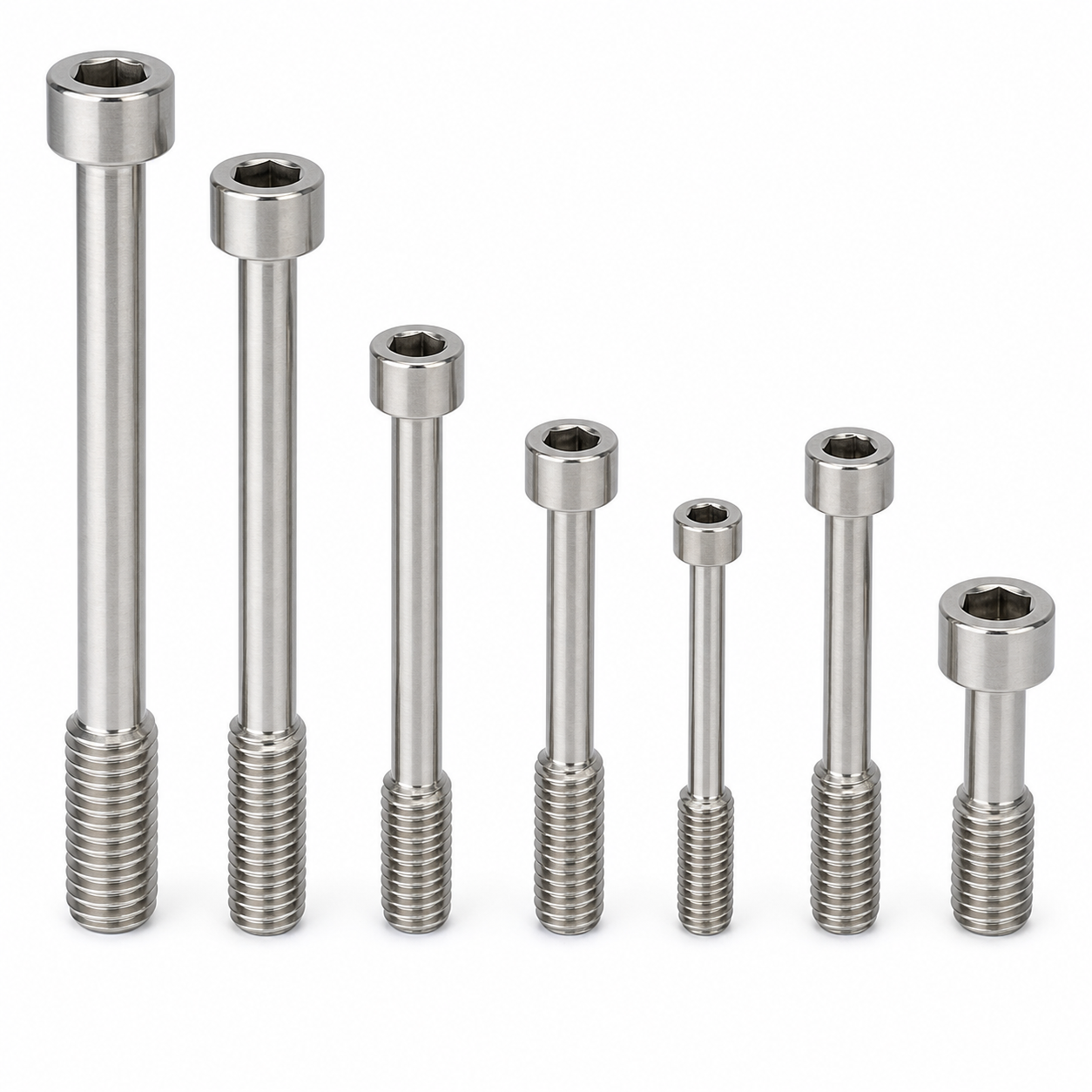
Stainless Steel Captive Screws use a reduced-diameter smooth shank between the cylindrical socket head and controlled machine-thread section. With a compatible panel-retention design, the loosened screw remains attached to the panel after its thread disengages from the mating component.
Product Overview
The defining geometry is a cylindrical internal-hex head, long reduced smooth shank and short larger-diameter machine thread. DIN 6929 is the preferred current technical reference where applicable; withdrawn DIN 7964 is not used as the primary reference.
After tightening, the thread engages the equipment frame and the head seats on the panel. When loosened, the thread clears the female thread while the reduced shank moves axially through a compatible formed hole, washer, ring or other retention feature, so the fastener remains with the panel.
Specify thread size and length, reduced-shank diameter and length, overall length, head and drive, panel thickness, retention method, required travel, stainless grade, quantity and drawing or sample. Captive performance depends on both screw geometry and the mating panel-retention design.
Technical Specifications
Reduced Shank, Thread Length & Captive Retention Design
304 / 316 Stainless Steel & Size Options
Captive Geometry & OEM Manufacturing
Customize thread diameter/pitch/length, reduced-shank diameter/length, overall length, head, hex socket and captive travel.
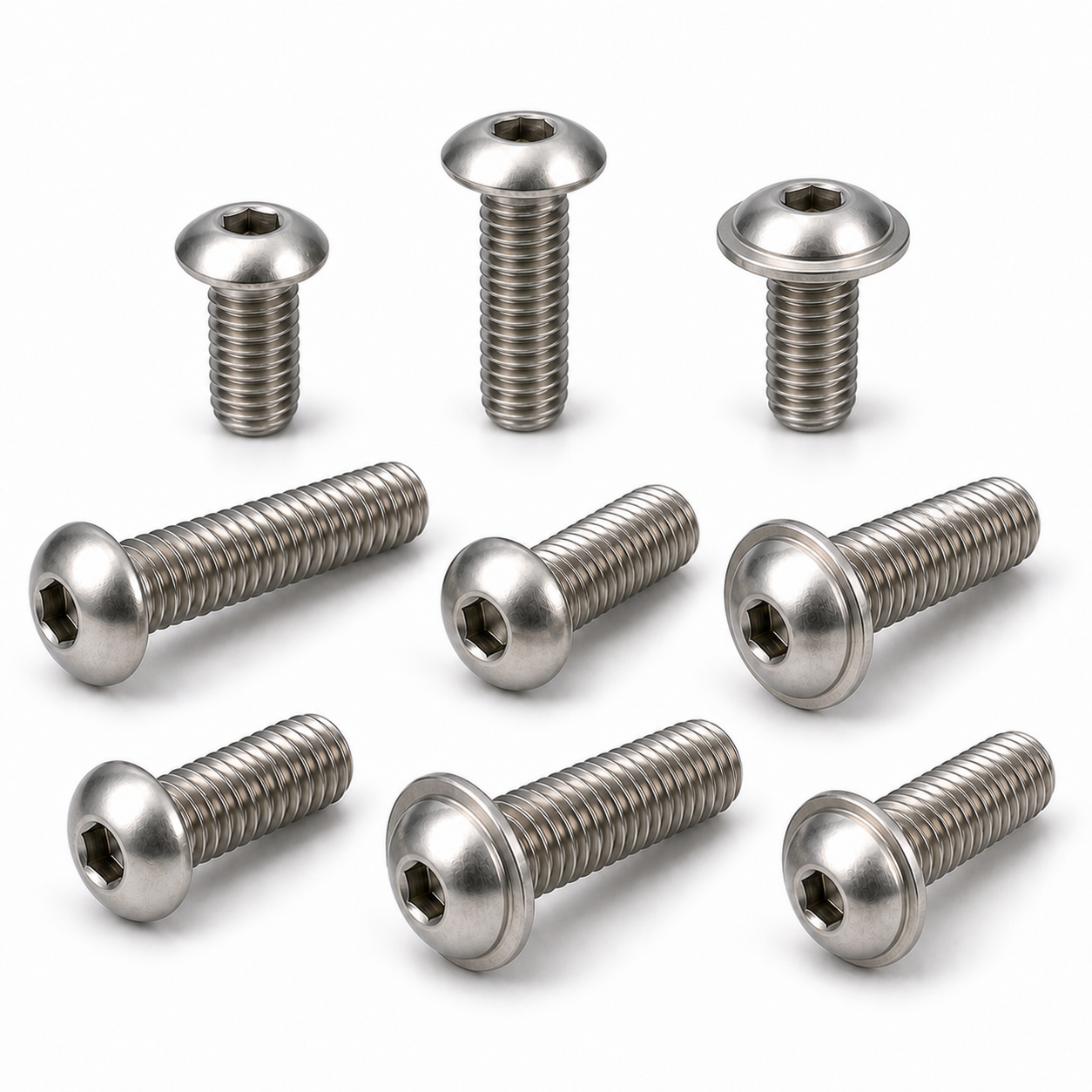
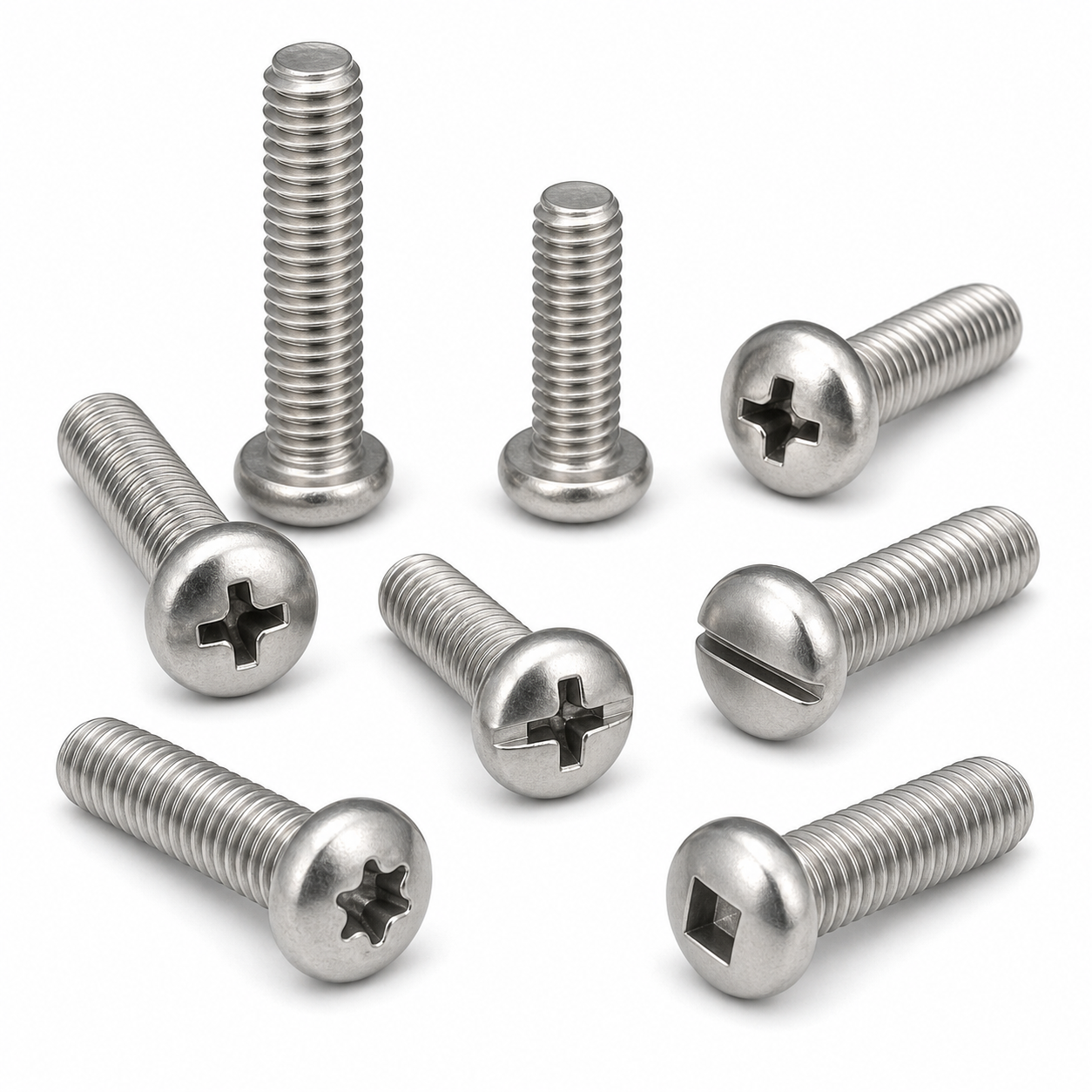
Primary socket head; optional pan, button, cross-recessed, slotted, low or customer-specific heads by drawing.
Provide thread, shank, panel thickness, retention method, travel, head/drive, 304 or 316 grade, quantity and drawing/sample.
Shank, Thread & Functional Quality
Representative assembly tests can confirm tightening, complete disengagement, free axial movement, retention, absence of binding and successful re-engagement. Documentation may include MTC, material, dimensional, thread, reduced-shank and functional captive-test reports; no universal torque is claimed.
Applications
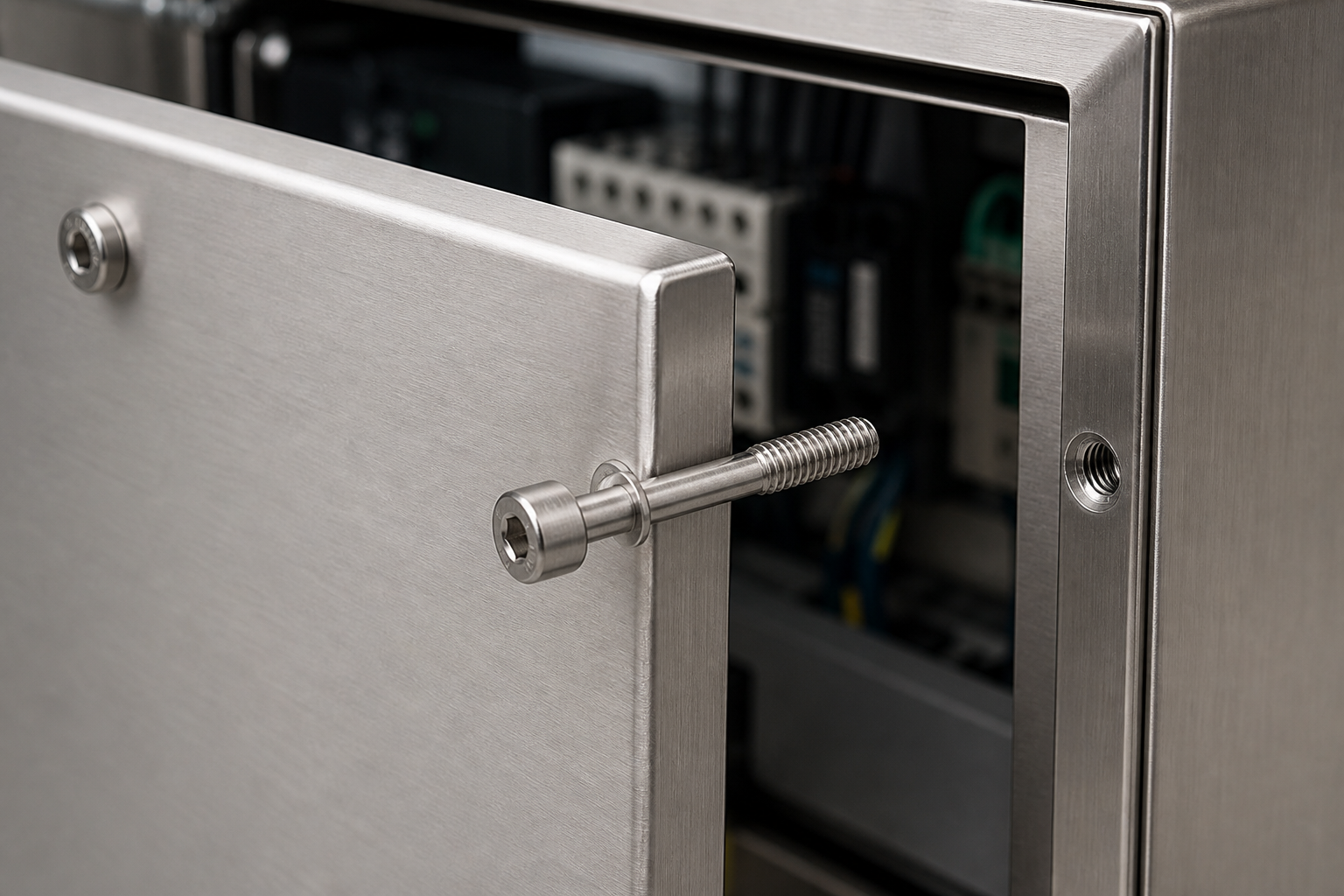
Remain attached after loosening to reduce loose fasteners during service.
For removable electrical cabinet and enclosure panels requiring repeated access.
Support routine maintenance without separating the fastener from the panel.
For inspection doors, access covers and service panels where retention matters.
Manufactured to thread size, shank geometry, panel thickness and retention design.
Frequently Asked Questions
What is a Captive Screw?
A screw designed to remain retained in a panel after its thread disengages from the mating thread.
How does a reduced-shank Captive Screw work?
The thread clears the mating component while the smaller shank moves through and is held by a compatible panel-retention feature.
What is DIN 6929?
DIN 6929 is the current reference for applicable coarse-thread screws with reduced shanks for captive applications, covering M3–M30.
Can Captive Screws be made from 304 or 316 Stainless Steel?
Yes. VALTOR supplies 304/A2 and 316/A4 versions according to dimensions and application.
What information is required for a custom Captive Screw?
Provide thread size/length, shank diameter/length, panel thickness, retention method, head/drive, stainless grade, quantity and drawing.
Related Products
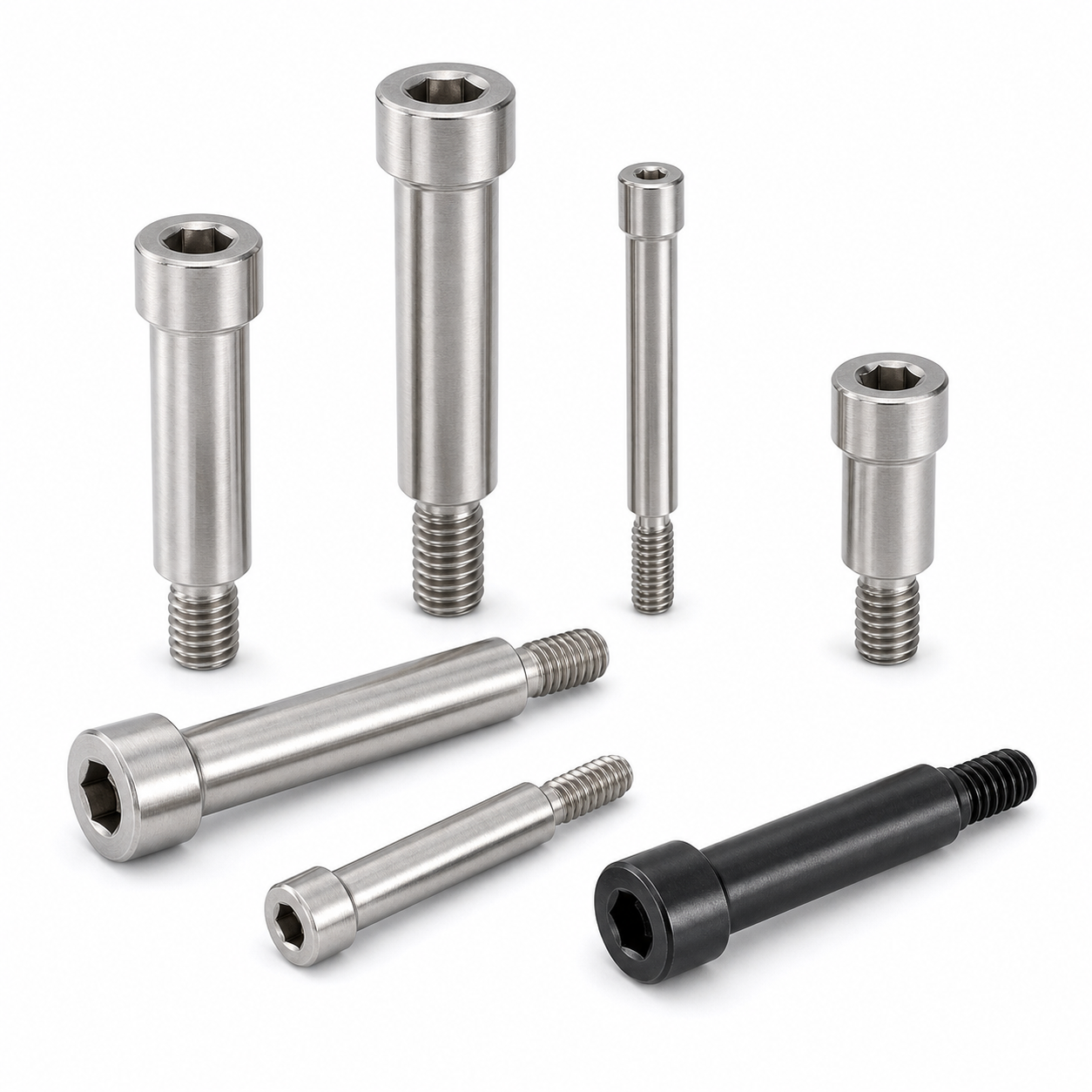
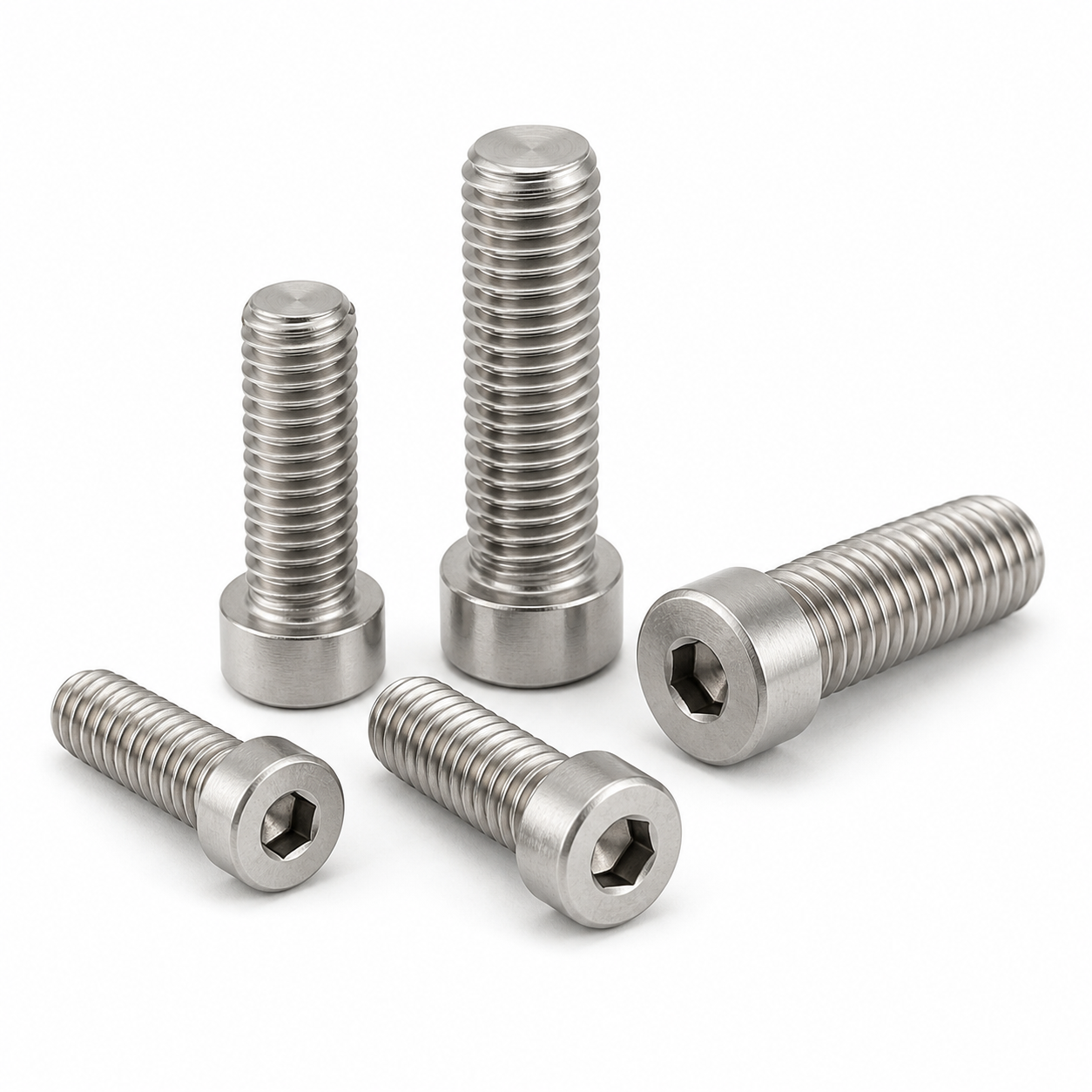
Share thread, reduced-shank geometry, panel and retention design, head, stainless grade, drawing and quantity with VALTOR.